





Editions MSS
11 cour du Coq : Paris | Owlstain : Château Methuen
I. Caine’s Obituaries1
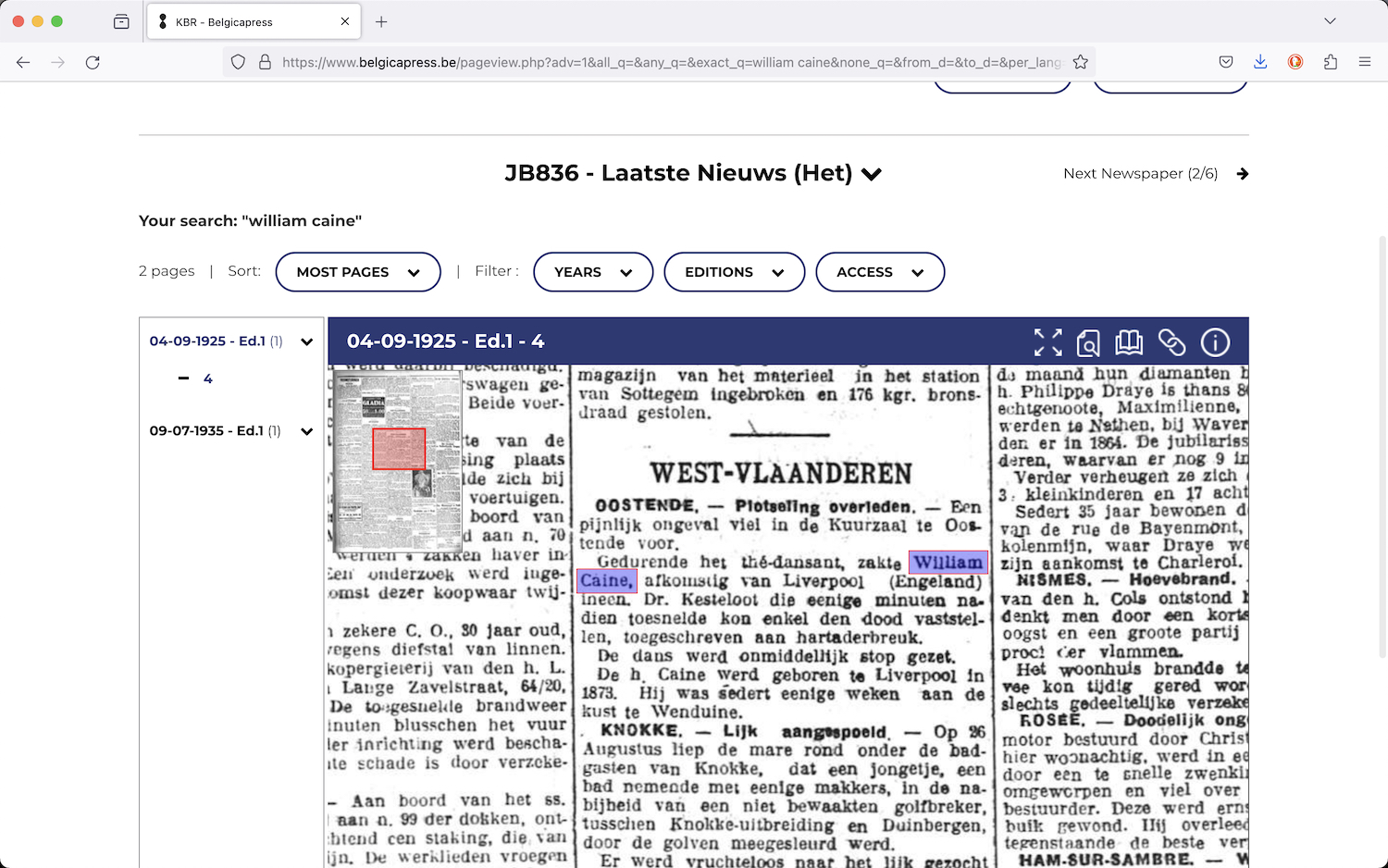
Het Laatste Nieuws, 4 September 1925, p. 4, “West-Vlaanderen; Oostende; Plotseling overleden.”
Een pijnlijk ongeval viel in de Kuurzaal te Oostende voor.
Gedurende het thé-dansant, zakte William Caine, afkomstig van Liverpool (Engeland) ineen. Dr. Kesteloot die eenige minuten nadien toesnelde kon enkel den dood vaststellen, toegeschreven aan hartaderbreuk.
De dans werd onmiddellijk stop gezet.
De h. Caine werd geboren te Liverpool in 1873. Hij was sedert eenige weken aan de kust te Wenduine.
[Translation: West Flanders. Ostend. Died suddenly. — A painful accident occurred in the Kuurzaal in Ostend. During the thé-dansant, William Caine, from Liverpool (England), collapsed. Dr. Kesteloot, who rushed there a few minutes later, could only confirm death, which was attributed to cardiac artery rupture. The dance was immediately stopped. The named Caine was born in Liverpool in 1873. He had been on the coast in Wenduine for several weeks.]
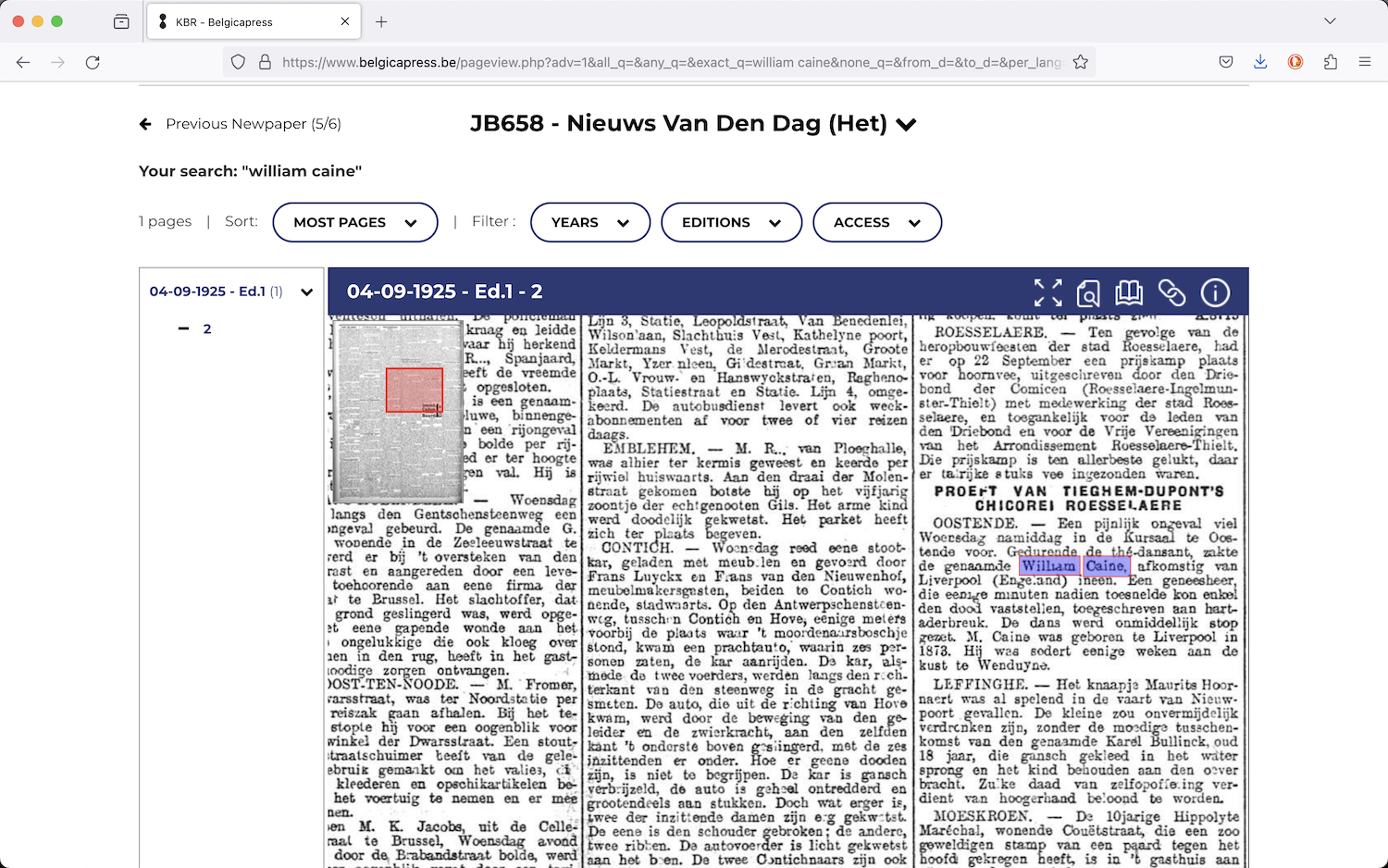
Het Nieuws van den Haag, 4 September 1925, p. 2, “West-Vlaanderen; Oostende.”
Een pijnlijk ongeval viel Woensdag namiddag in de Kursaal te Oostende voor. Gedurende de thé-dansant, zakte de genaamde William Caine, afkomstig van Liverpool (Engeland) ineen. Eeen geneesheer, die eenige minuten nadien toesnelde kon enkel den dood vaststellen, toegeschreven aan hartaderbreuk. De dans werd onmiddellijk stop gezet. M. Caine was geboren te Liverpool in 1873. Hij was sedert eenige weken aan de kust te Wenduyne.
[Translation: West Flanders. Ostend. — A painful accident occurred on Wednesday afternoon in the Kursaal in Ostend. During the thé dansant, the named William Caine, from Liverpool (England), collapsed. A doctor who rushed there a few minutes later could only diagnose death as a result of heart rupture. The dance was immediately stopped. M. Caine was born in Liverpool in 1873. He had been on the coast at Wenduyne for some weeks.]
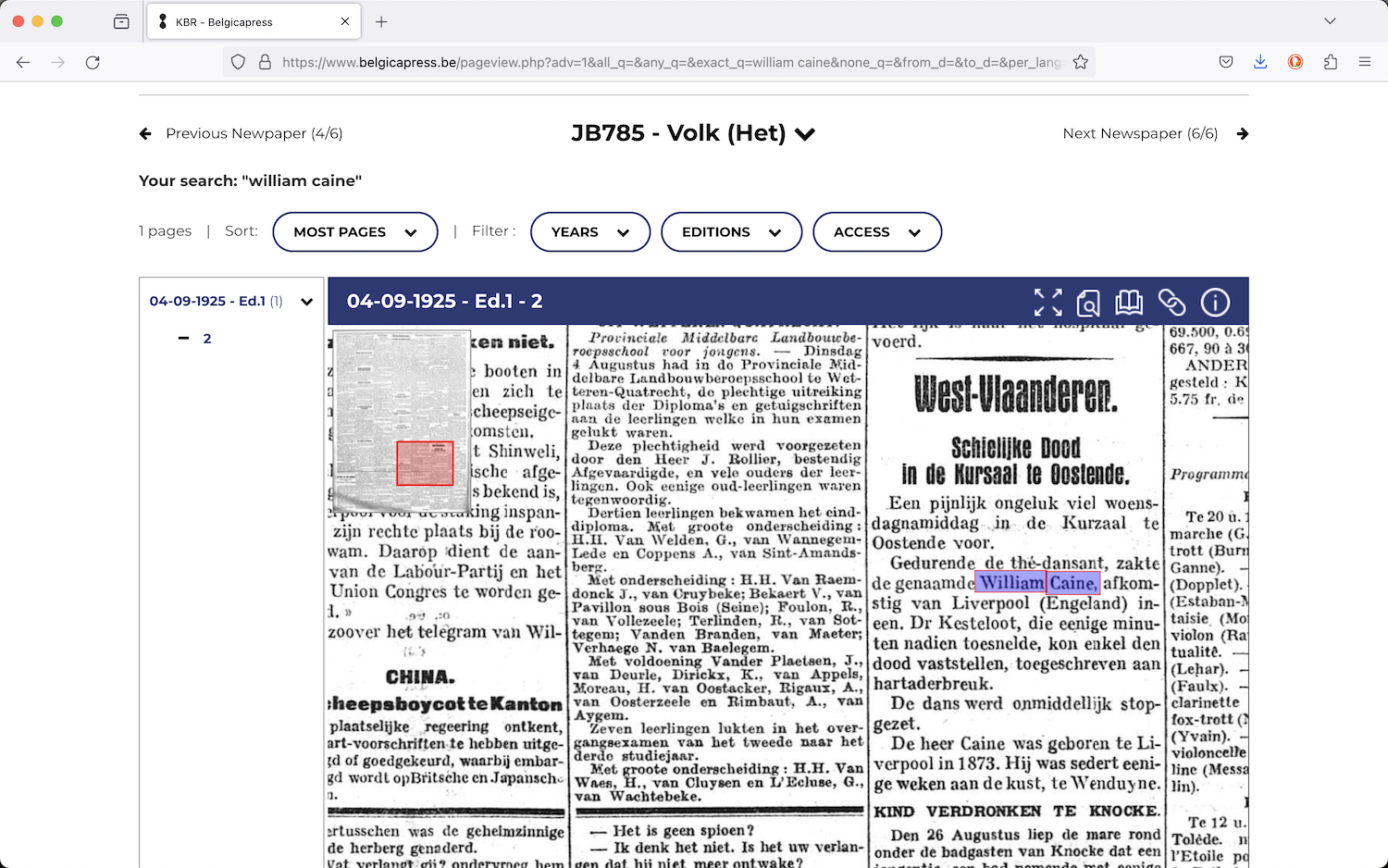
Het Volk, 4 September 1925, p. 2, “West-Vlaanderen; Schielijke Dood in de Kursaal te Oostende.”
Een pijnlijk ongeluk viel woensdagnamiddag in de Kurzaal te Oostende voor.
Gedurende de thé-dansant, zakte de genaamde William Caine, afkomstig van Liverpool (Engeland) ineen. Dr. Kesteloot, die eenige minuten nadien toesnelde, kon enkel den dood vaststellen, toegeschreven aan hartaderbreuk.
De dans wer onmiddellijk stop-gezet.
De heer Caine was geboren te Liverpool in 1873. Hij was sedert eenige weken aan de kust, te Wenduyne.
[Translation: West Flanders. Apparent Death in the Kursaal in Ostend. — A painful accident occurred on Wednesday afternoon in the Kurzaal in Ostend. During the thé dansant, the named William Caine, from Liverpool (England), collapsed. Dr. Kesteloot, who rushed to the scene a few minutes later, could only determine death, which was attributed to cardiac artery rupture. The dance was immediately stopped. Mr. Caine was born in Liverpool in 1873. He had been on the coast at Wenduyne for some weeks.]
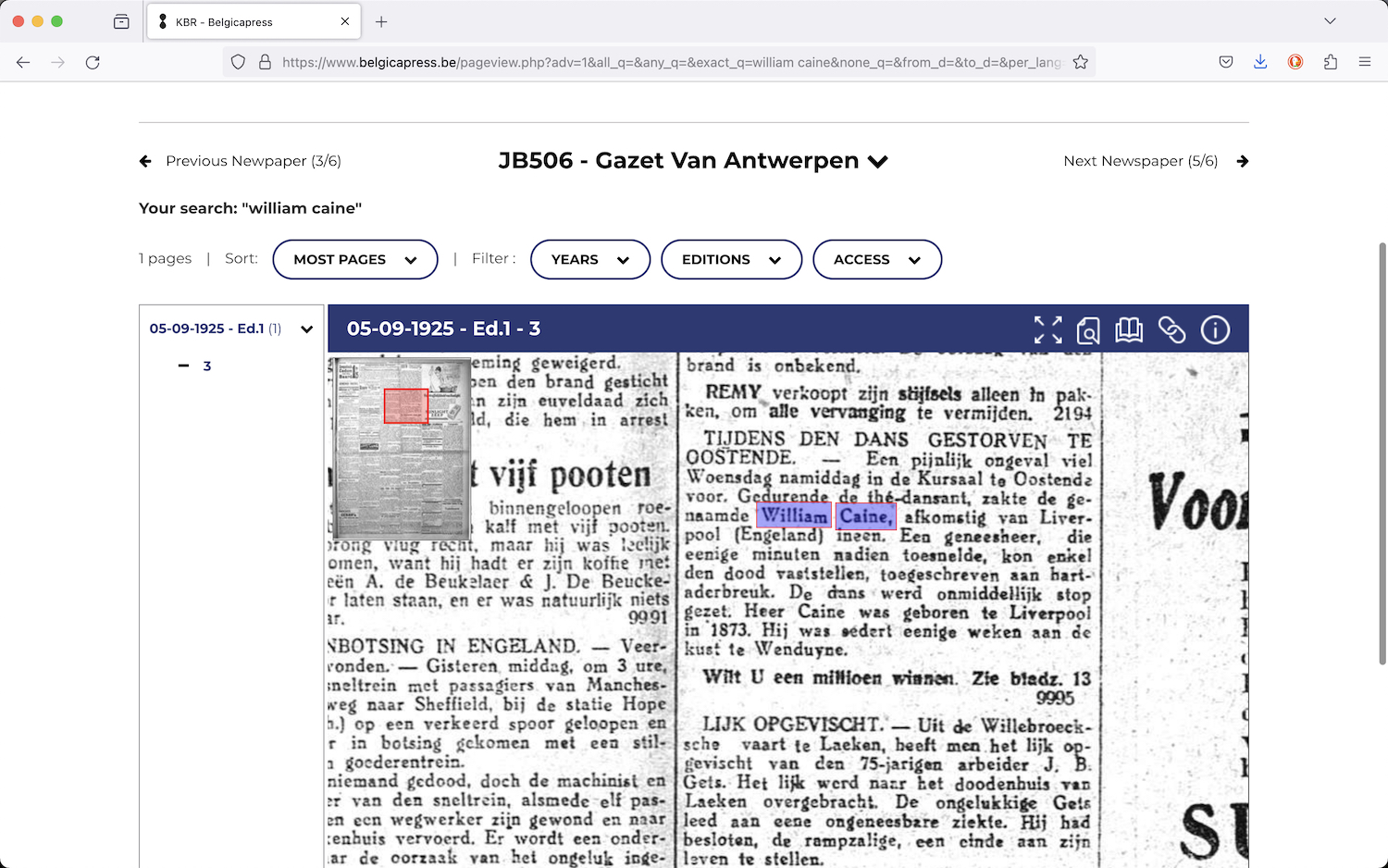
Gazet van Antwerpen, 5 September 1925, p. 3, “Tijdens den Dans Gestorven te Oostende.”
Een pijnlijk ongeval viel Woensdag namiddag in de Kursaal te Oostende voor. Gedurende de thé-dansant, zakte de genaamde William Caine, afkomstig van Liverpool (Engeland) ineen. Een geneesheer, die eenige minuten nadien toesnelde, kon enkel den dood vaststellen, toegeschreven aan hartaderbreuk. De dans werd onmiddellijk stop gezet. Heer Caine was geboren te Liverpool in 1873. Hij was sedert eenige weken aan de kust te Wenduyne.
[Translation: Died during the dance in Ostend. — A painful accident occurred on Wednesday afternoon in the Kursaal in Ostend. During the thé dansant, the named William Caine, from Liverpool (England), collapsed. A doctor who rushed to the scene a few minutes later could only diagnose death as a result of cardiac rupture. The dance was immediately stopped. Mr Caine was born in Liverpool in 1873. He had been on the coast at Wenduyne for some weeks.]
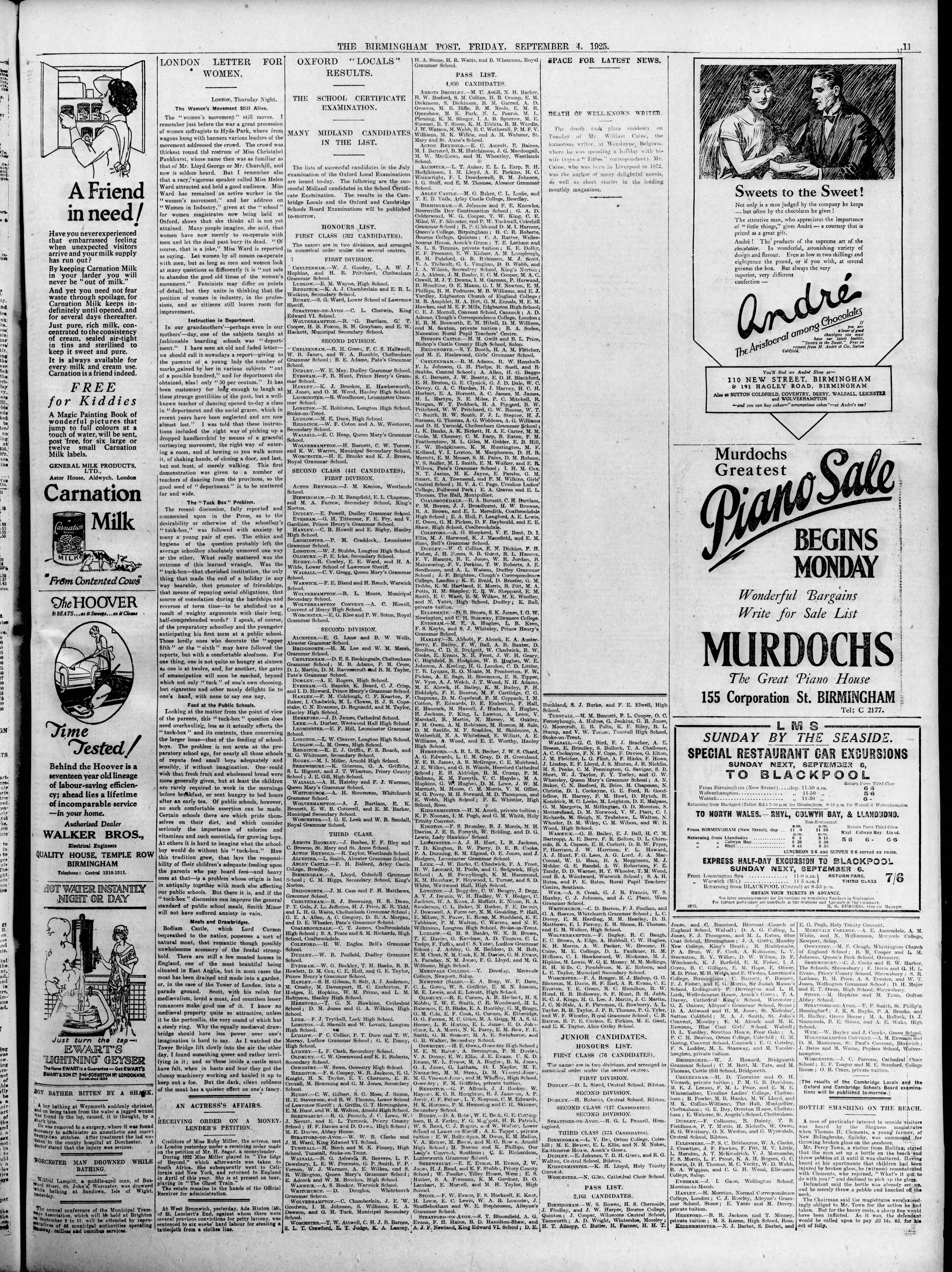
The Birmingham Post, Friday, September 4, 1925, p. 11, “Space for Latest News; Death of Well-Known Writer.”
The death took place suddenly on Tuesday of Mr. William Caine, the humorous writer, at Wenduyne, Belgium, where he was spending a holiday with his wife (says a “Times” correspondent). Mr. Caine, who was born in Liverpool in 1872, was the author of many delightful novels, as well as short stories in the leading monthly magazines.
Eastern Daily Press (Norwich), Friday, September 4, 1925, p. 7, “Death of Mr. William Caine.”
A “Times” correspondent says the death took place suddenly on Tuesday of Mr. William Caine, the humorous writer at Wenduyne, Belgium, where he was spending a holiday with his wife. Mr. Caine, who was born in Liverpool in 1872, was the author of many novels as well as short stories in the leading monthly magazines
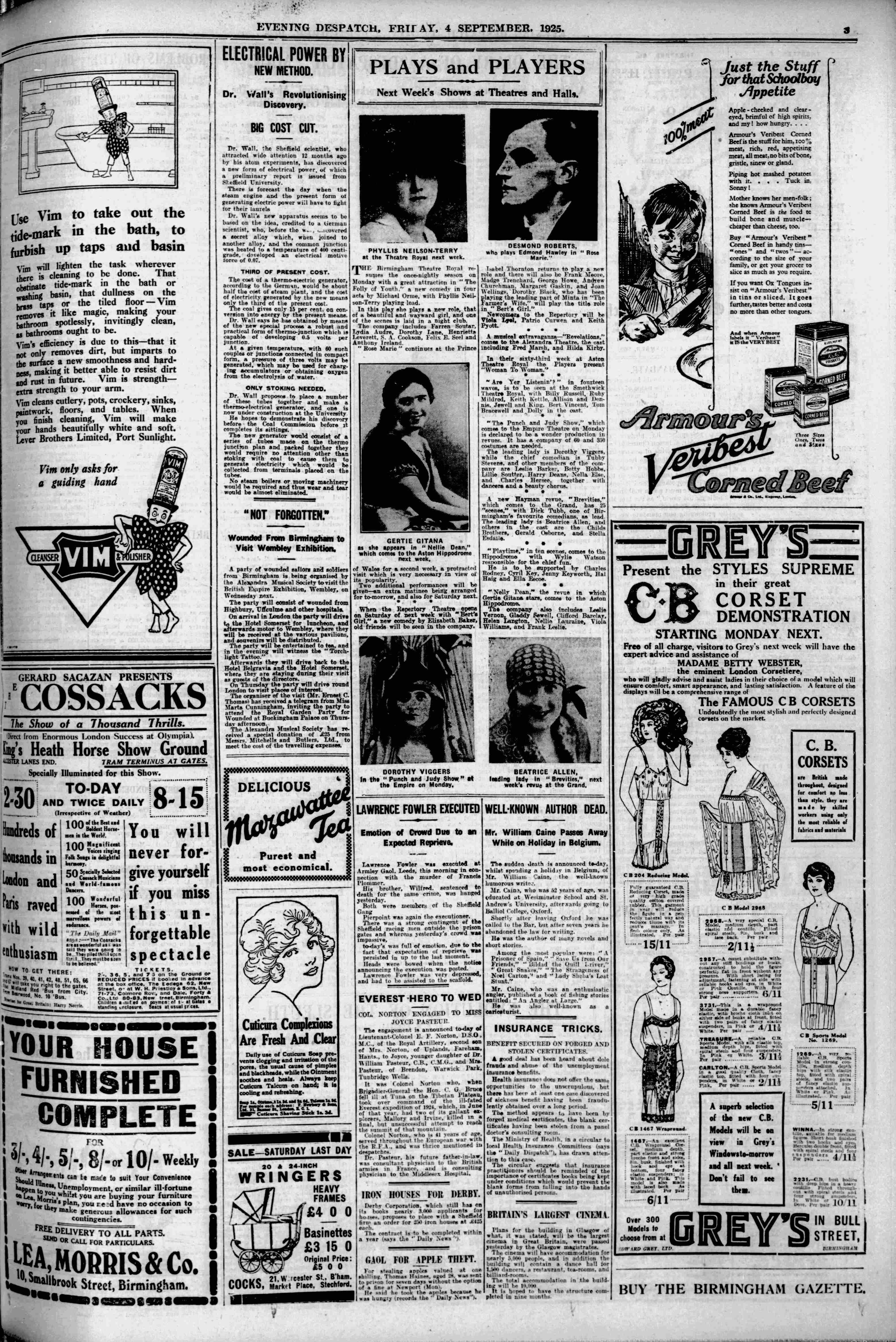
Evening Despatch (Birmingham), Friday, September 4, 1925, p. 3, “Well-Known Author Dead; Mr. William Caine Passes Away While on Holiday in Belgium.”
The sudden death is announced to-day, whilst spending a holiday in Belgium, of Mr. William Caine, the well-known humorous writer.
Mr. Caine, who was 52 years of age, was educated at Westminster School and St. Andrew’s University, afterwards going to Balliol College, Oxford.
Shortly after leaving Oxford he was called to the Bar, but after seven years he abandoned the law for writing.
He was the author of many novels and short stories.
Among the most popular were: “A Prisoner of Spain,” “Save Us from Our Friends,” “Bildad the Quill Driver,” “Great Snakes,” “The Strangeness of Noel Carton,” and “Lady Sheba’s Last Stunt.”
Mr. Caine, who was an enthusiastic angler, published a book of fishing stories entitled: “An Angler at Large.”
He was also well-known as a caricaturist.
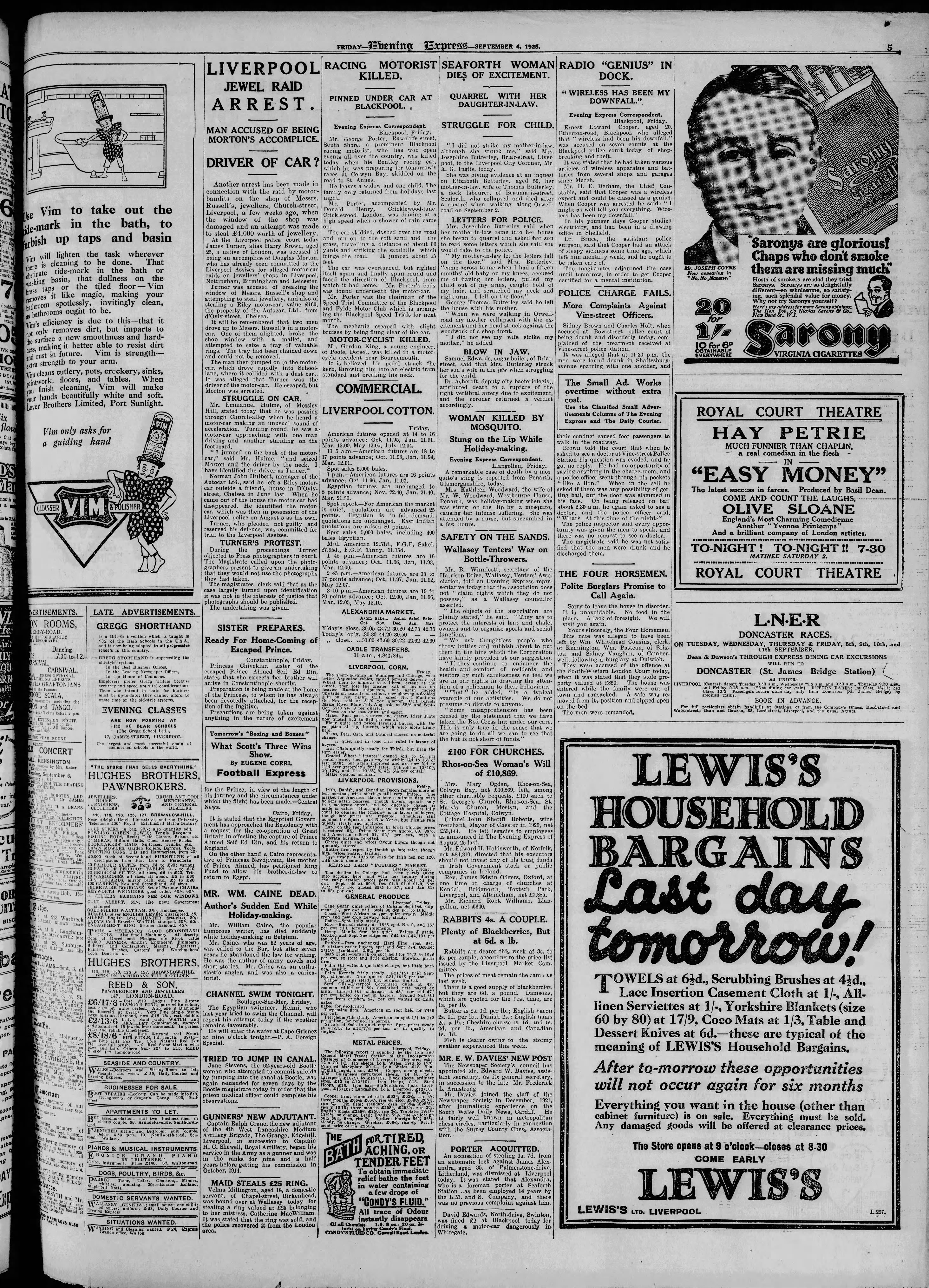
Evening Express (Liverpool), Friday, September 4, 1925, p. 5, “Mr. Wm. Caine Dead; Author’s Sudden End While Holiday-making.”
Mr. William Caine, the popular humorous writer, has died suddenly while holiday-making in Belgium.
Mr. Caine, who was 52 years of age, was called to the Bar, but after seven years he abandoned the law for writing. He was the author of many novels and short stories. Mr. Caine was an enthusiastic angler, and was also a caricaturist.
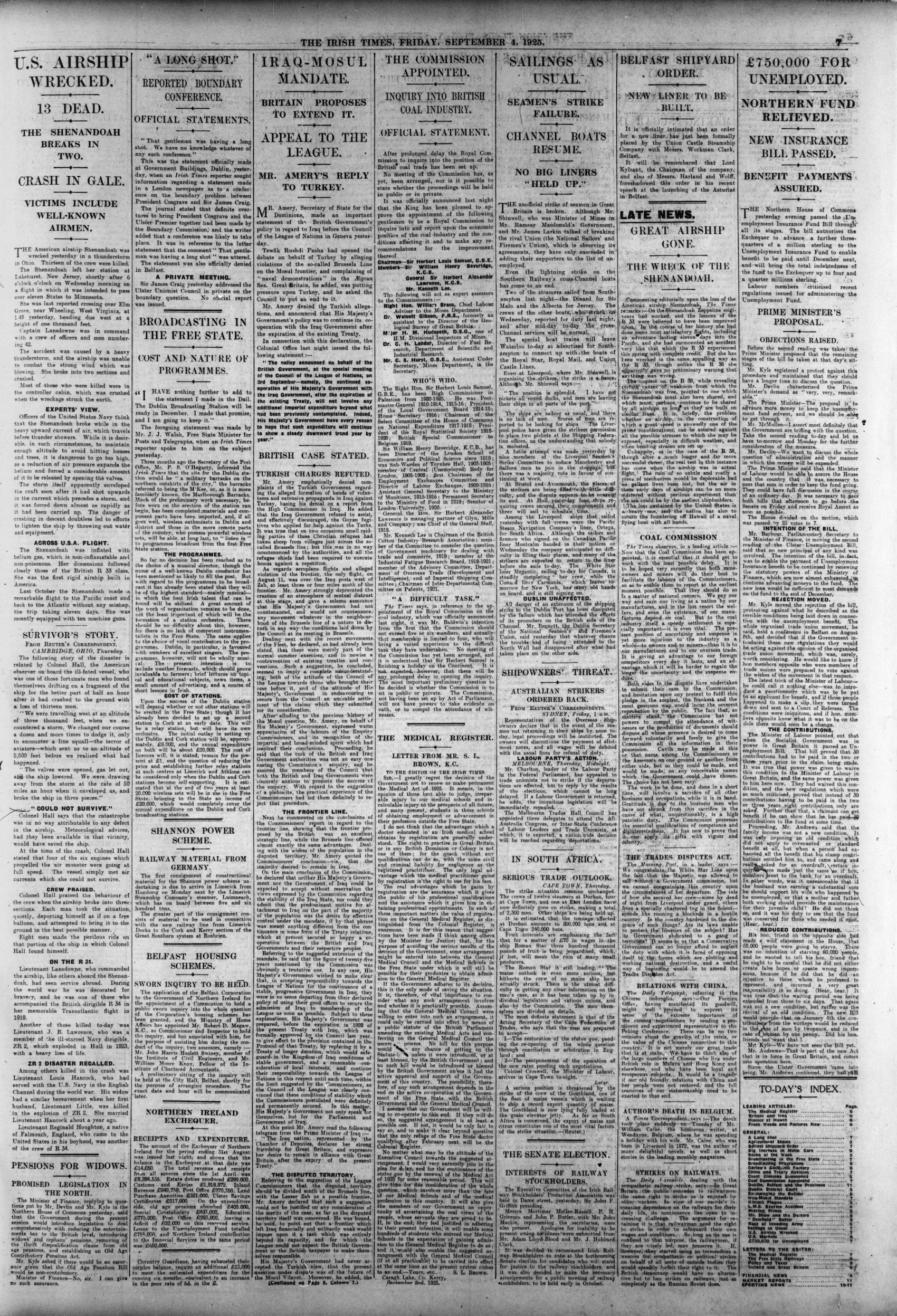
The Irish Times (Dublin), Friday, September 4, 1925, p. 7, “Late News; Author’s Death in Belgium.”
A Times Correspondent says: — The death took place suddenly on Tuesday of Mr. William Caine, the humorous writer, at Weaduyne, Belgium, where he was spending a holiday with his wife. Mr. Caine, who was born in Liverpool in 1872, was the author of many delightful novels, as well as short stories in the leading monthly magazines.
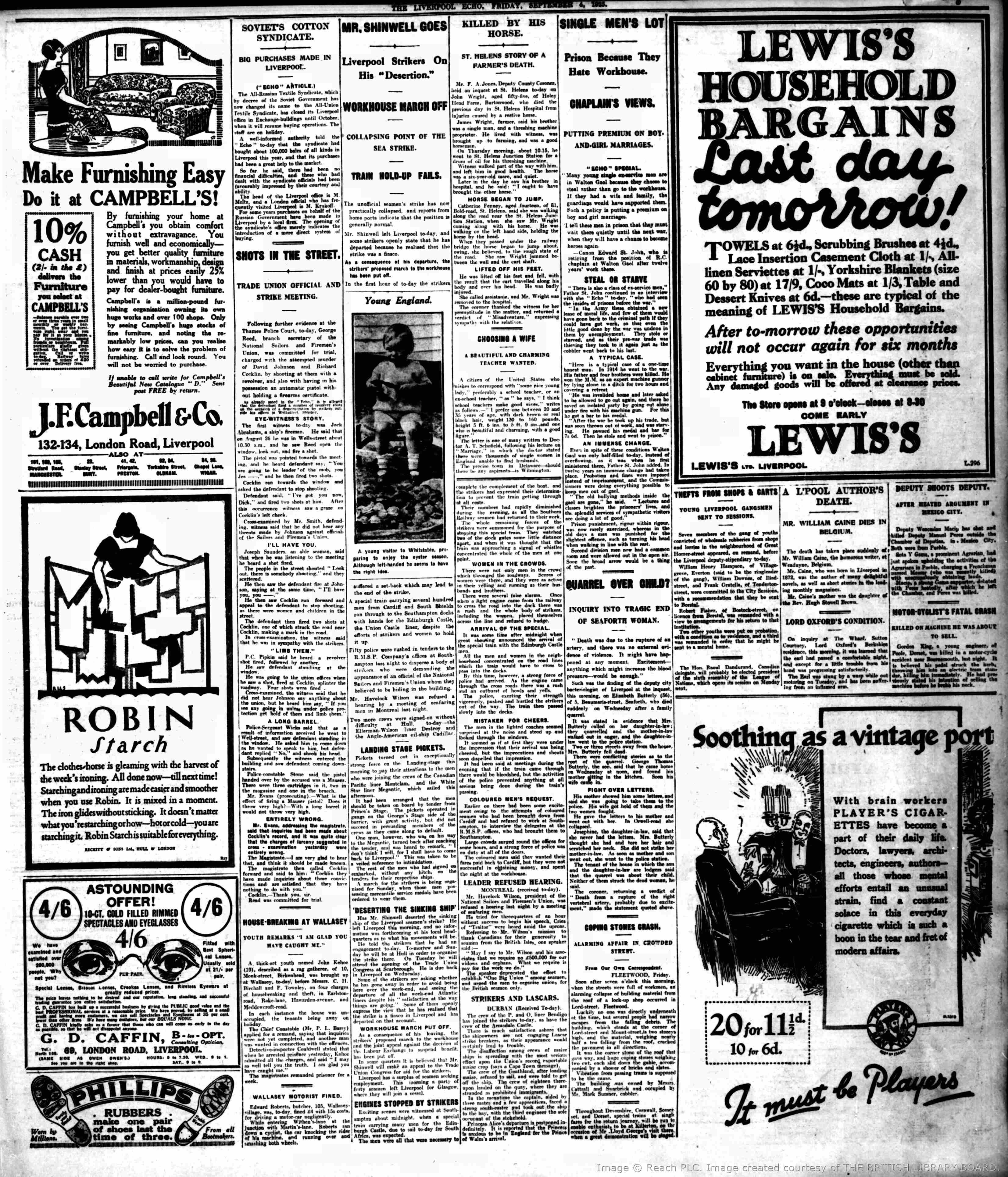
The Liverpool Echo, Friday, September 4, 1925, p. 5, “A L’Pool Author’s Death; Mr. William Caine Dies in Belgium.”
The death has taken place suddenly of Mr. William Caine, the humorous writer, at Weaduyne, Belgium.
Mr. Caine, who was born in Liverpool in 1872, was the author of many delightful novels, as well as short stories in the leading monthly magazines.
Mr. Caine’s mother was the daughter of the Rev. Hugh Stowell Brown.
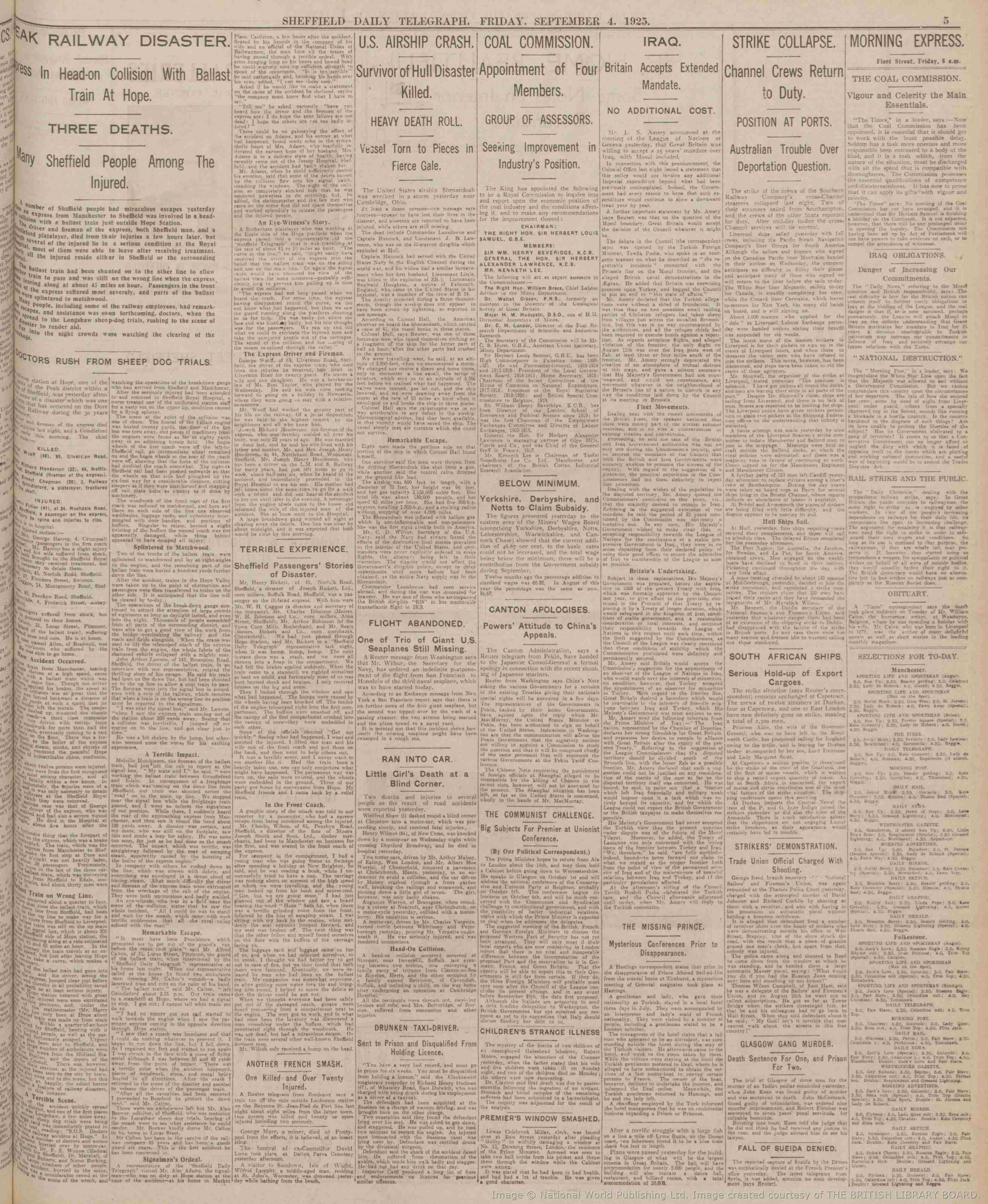
Sheffield Daily Telegraph, Friday, September 4, 1925, p. 5, “Morning Express; Obituary.”
A “Times” correspondent says the death took place suddenly on Tuesday of Mr. William Caine, the humorous writer, at Weaduyne, Belgium, where he was spending a holiday with his wife. Mr. Caine, who was born in Liverpool in 1872, was the author of many delightful novels as well as short stories in the leading monthly magazines.
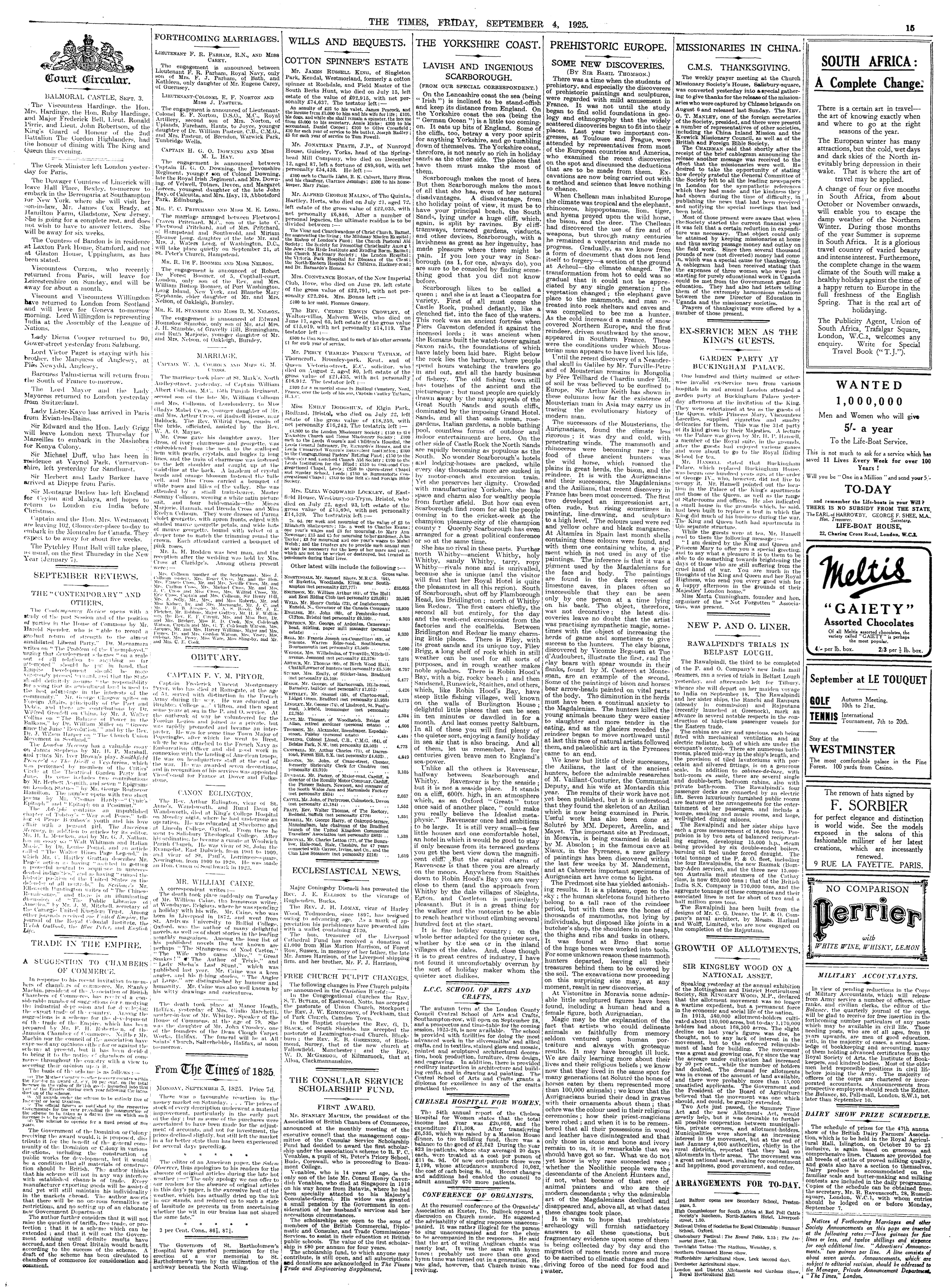
The Times (London), Friday, September 4, 1925, p. 15, “Obituary; Mr. William Caine.”
A correspondent writes: —
The death took place suddenly on Tuesday of Mr. William Caine, the humorous writer, at Wenduyne, Belgium, where he was spending a holiday with his wife. Mr. Caine, who was born in Liverpool in 1872, and went from St. Andrews University to Balliol College, Oxford, was the author of many delightful novels, as well as of short stories in the leading monthly magazines. Among the long list of his published novels the best known are perhaps “The Strangeness of Noel Carton,” “The Wife who came Alive,” “Great Snakes!” “The Author of Trixie,” and “Lady Sheba’s Last Stunt,” which was published last year. Mr. Caine was a keen angler, and his fishing stories, “The Angler at Large,” are distinguished by humour and humanity. Mr. Caine was also well known by his witty drawings and caricatures.
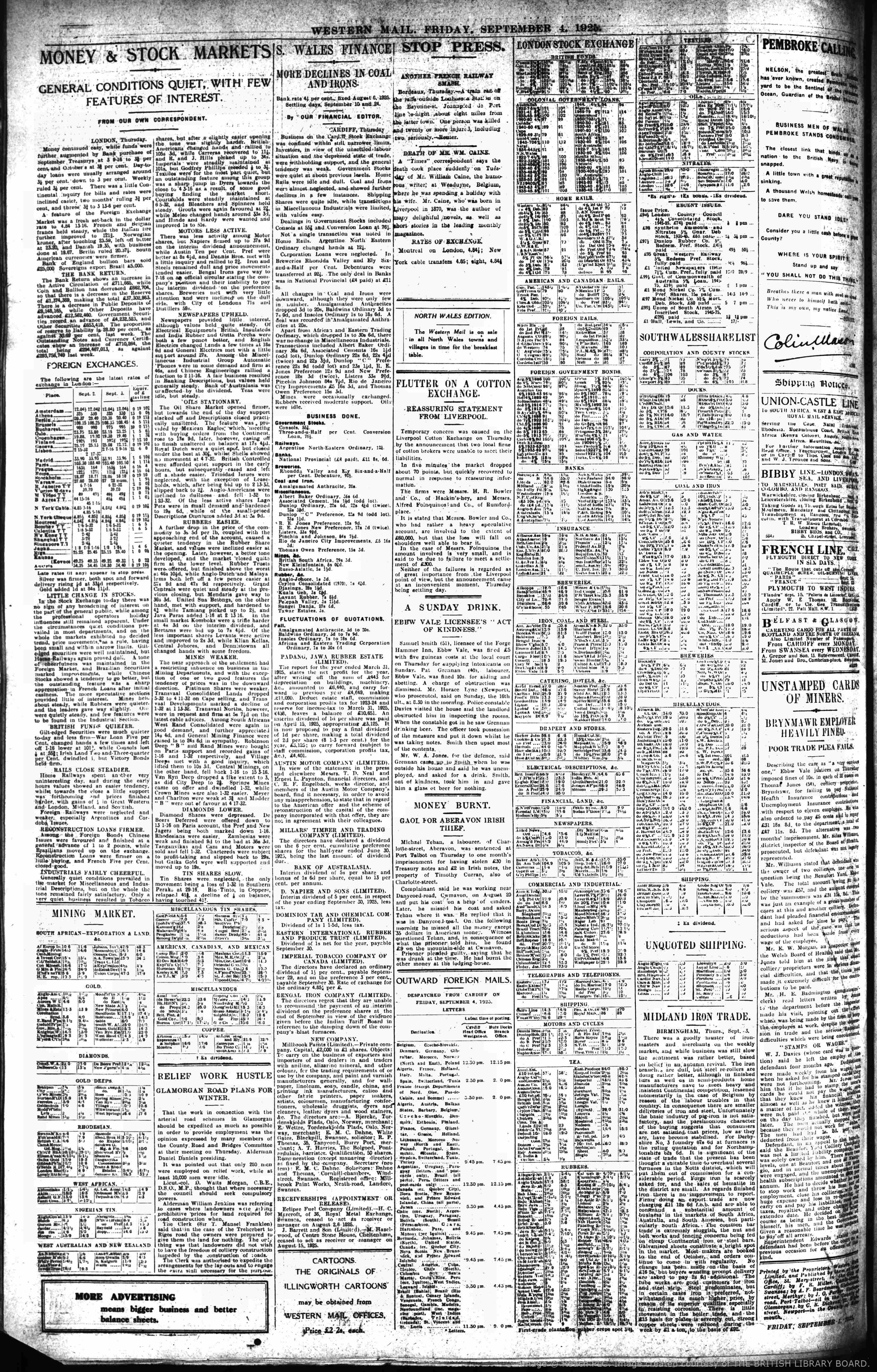
Western Mail (Cardiff, Wales), Friday, September 4, 1925, p. 16, “Stop Press; Death of Mr. Wm. Caine.”
A “Times” correspondent says the death took place suddenly on Tuesday of Mr. William Caine, the humorous writer, at Weaduyne, Belgium, where he was spending a holiday with his wife. Mr. Caine, who was born in Liverpool in 1870, was the author of many delightful novels, as well as short stories in the leading monthly magazines.
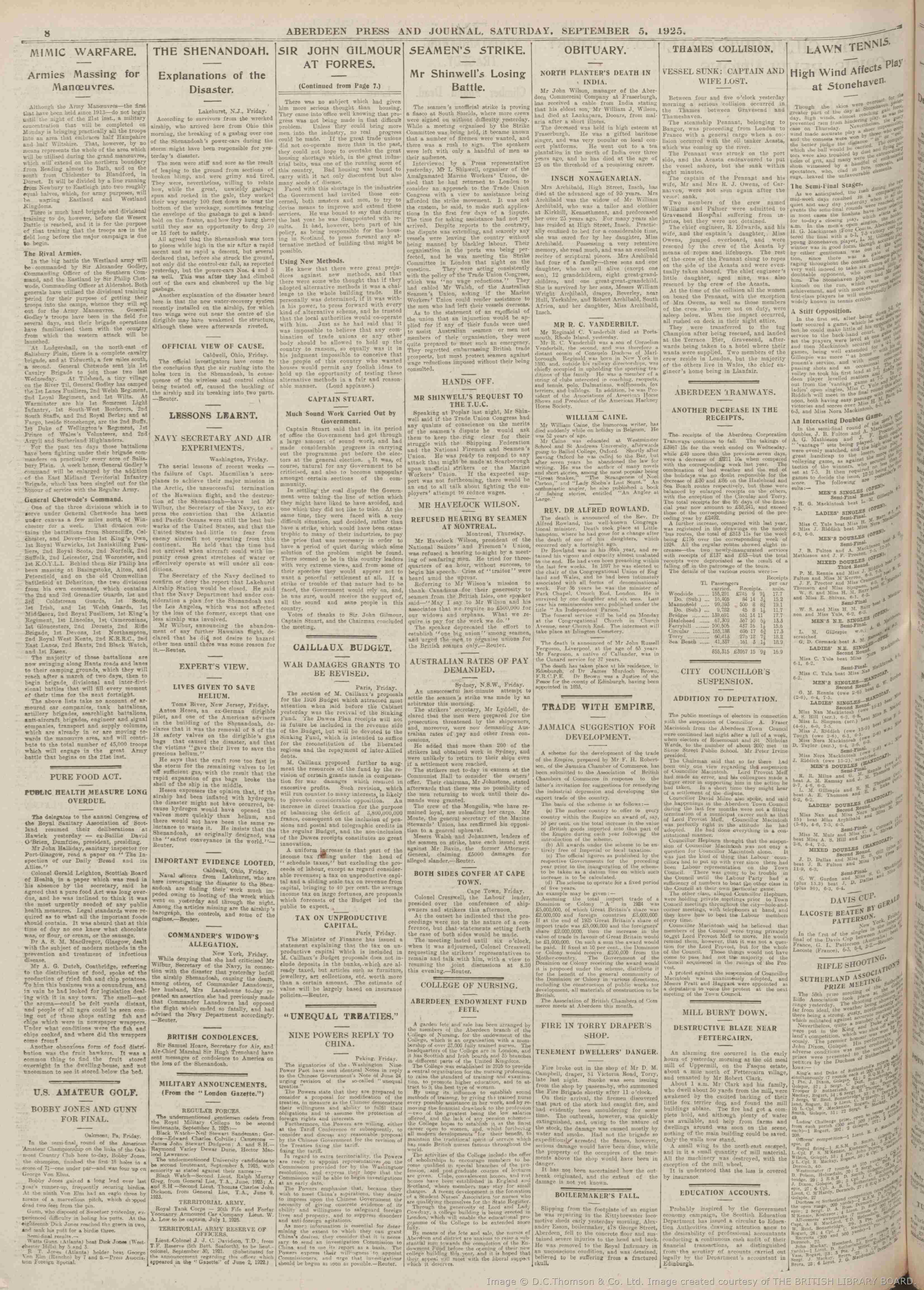
Aberdeen Press and Journal, Saturday, September 5, 1925, p. 8, “Obituary; William Caine.”
Mr William Caine, the humorous writer, has died suddenly while on holiday in Belgium. He was 52 years of age.
Mr Caine was educated at Westminster School and St Andrews University, afterwards going to Balliol College, Oxford. Shortly after leaving Oxford he was called to the Bar, but after seven years he abandoned the law for writing. He was the author of many novels and short stories, among the most popular being “Great Snakes,” “The Strangeness of Noel Carton,” and “Lady Sheba’s Last Stunt.” An enthusiastic angler, he also published a book of fishing stories, entitled “An Angler at Large.”
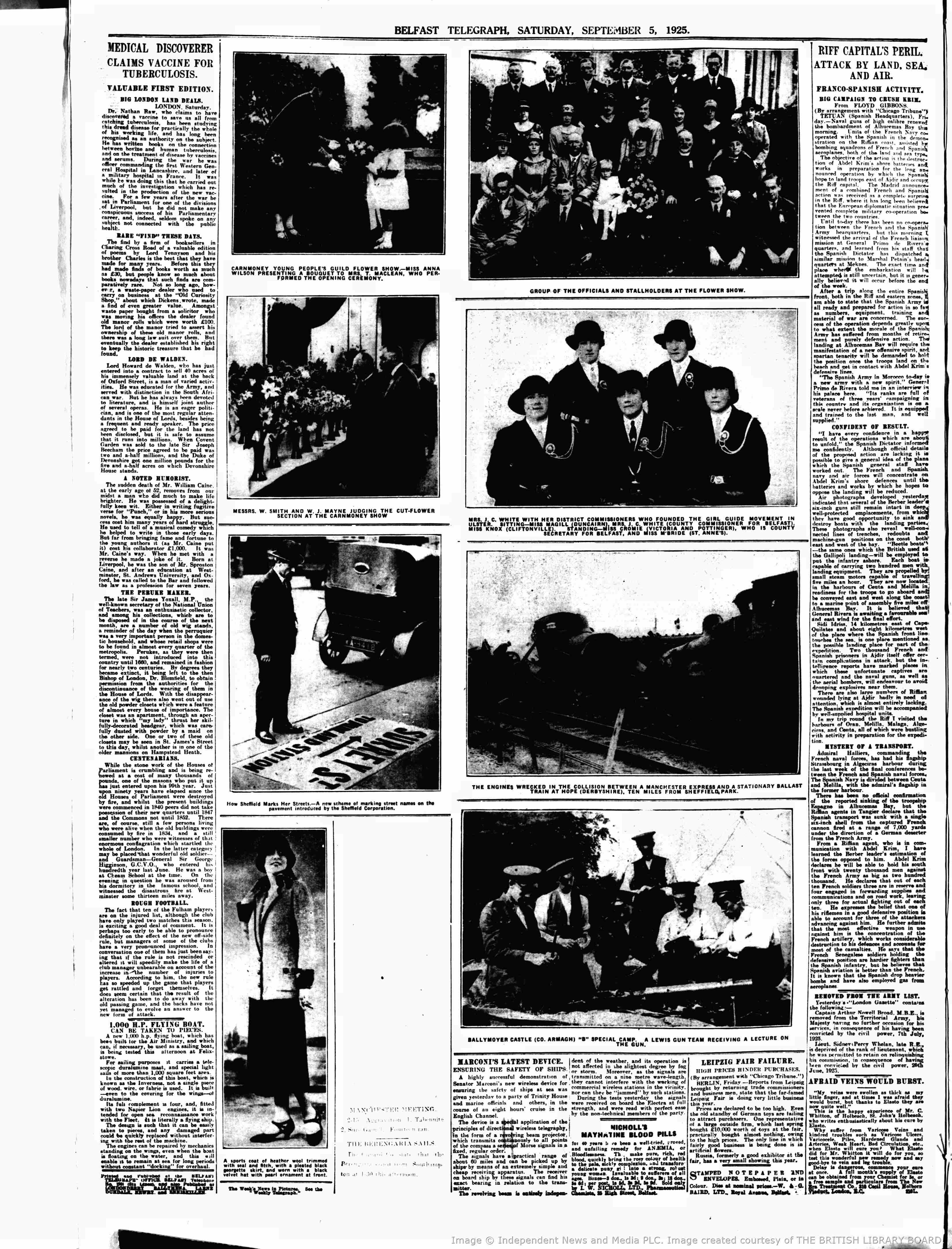
Belfast Telegraph, Saturday, September 5, 1925, p. 10, “A Noted Humorist.”
The sudden death of Mr. William Caine, at the early age of 52, removes from our midst a man who did much to make life brighter. He was possessed of a delightfully keen wit. Either in writing fugitive verse for “Punch,” or in his more serious novels, he was equally happy. But success cost him many years of hard struggle. He used to tell of a musical comedy which he helped to write in those early days. But far from bringing fame and fortune to the young authors it (as Mr. Caine put it) cost his collaborator £1,000. It was Mr. Caine’s way. When he met with a reverse he made a joke of it. Born at Liverpool, he was the son of Mr. Sproston Caine, and after an education at Westminster, St. Andrews University, and Oxford, he was called to the Bar and followed the law as a profession for seven years.
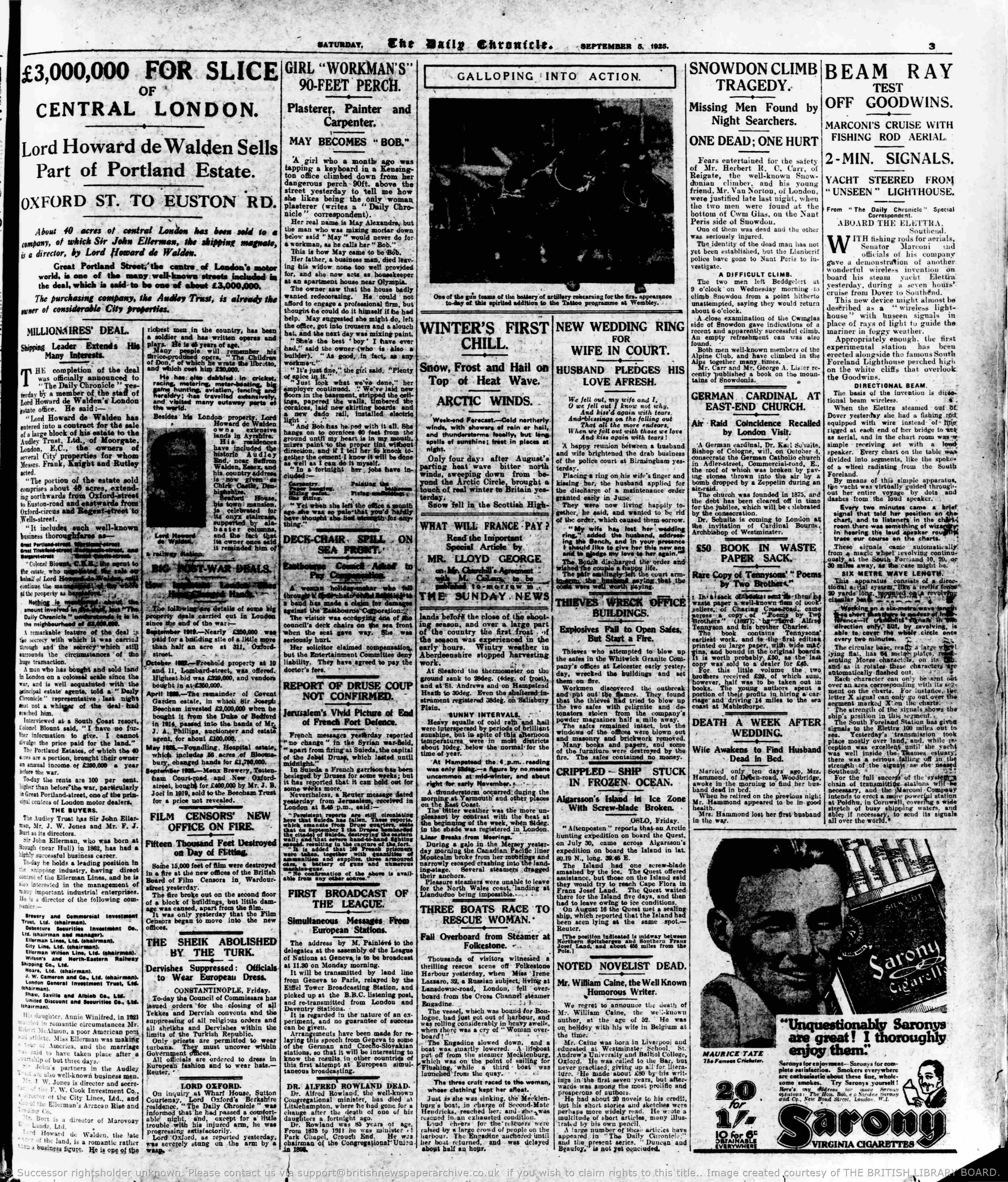
The Daily Chronicle (London), Saturday, September 5, 1925, p. 3, “Noted Novelist Dead; Mr. William Caine, the Well Known Humorous Writer.”
We regret to announce the death of Mr. William Caine, the well-known author, at the age of 52. He was on holiday with his wife in Belgium at the time.
Mr. Caine was born in Liverpool and educated at Westminster School, St. Andrew’s University and Balliol College, Oxford. He was called to the Bar, but never practised, giving up all for literature. He made about £80 by his writings in the first seven years, but afterwards was among the most prolific and prosperous of authors.
He had about 20 novels to his credit, but his short stories and sketches were perhaps more widely read. He wrote a multitude of short articles, many illustrated by his own pencil.
A large number of these articles have appeared in “The Daily Chronicle;” and the present series, “Duncan and Beaufoy,” is not yet concluded.
The Daily Graphic (London), Saturday, September 5, 1925, p. 5, “Wonderful London Yesterday; William Caine.” [Signed “Mr. London.”]
I was very sorry to hear yesterday of the death of William Caine, whose humour was never appreciated at its true value. He was a close friend of A. A. Milne, but never met with his friend’s success.
In seven years he only managed to make just over £40 by his pen while he was working at the Bar, so he did the rash thing and gave up Law in favour of literature. His novel “Old Enough to Know Better,” is one of the most delightful pieces of whimsicality that I have read.
In addition to his twenty-four novels he wrote some delightful fishing stories. He was a keen angler and a competent caricaturist.
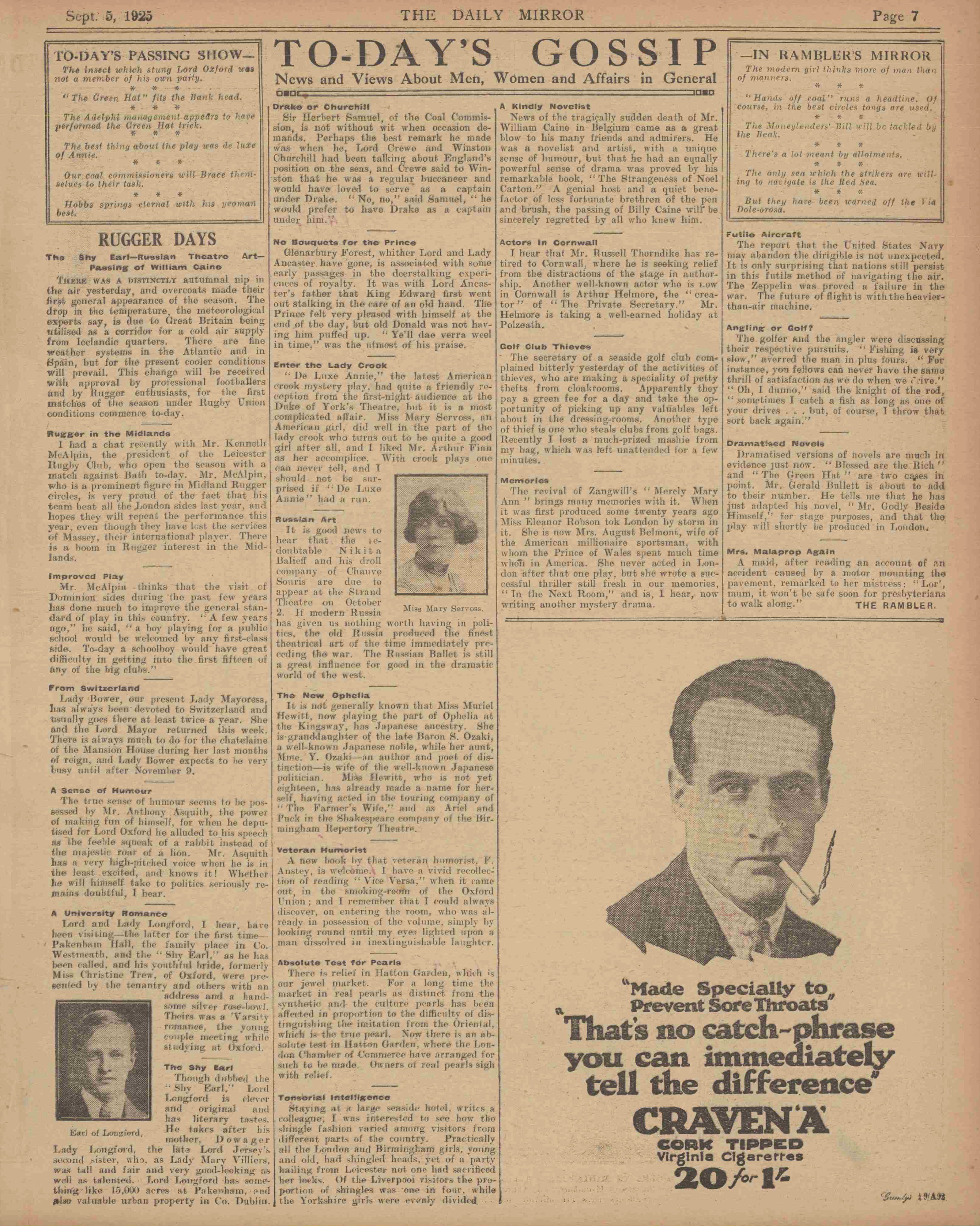
The Daily Mirror (London), Saturday, September 5, 1925, p. 7, “To-Day’s Gossip; A Kindly Novelist.”
News of the tragically sudden death of Mr. William Caine in Belgium came as a great blow to his many friends and admirers. He was a novelist and artist, with a unique sense of humour, but that he had an equally powerful sense of drama was proved by his remarkable book, “The Strangeness of Noel Carton.” A genial host and a quiet benefactor of less fortunate brethren of the pen and brush, the passing of Billy Caine will be sincerely regretted by all who knew him.
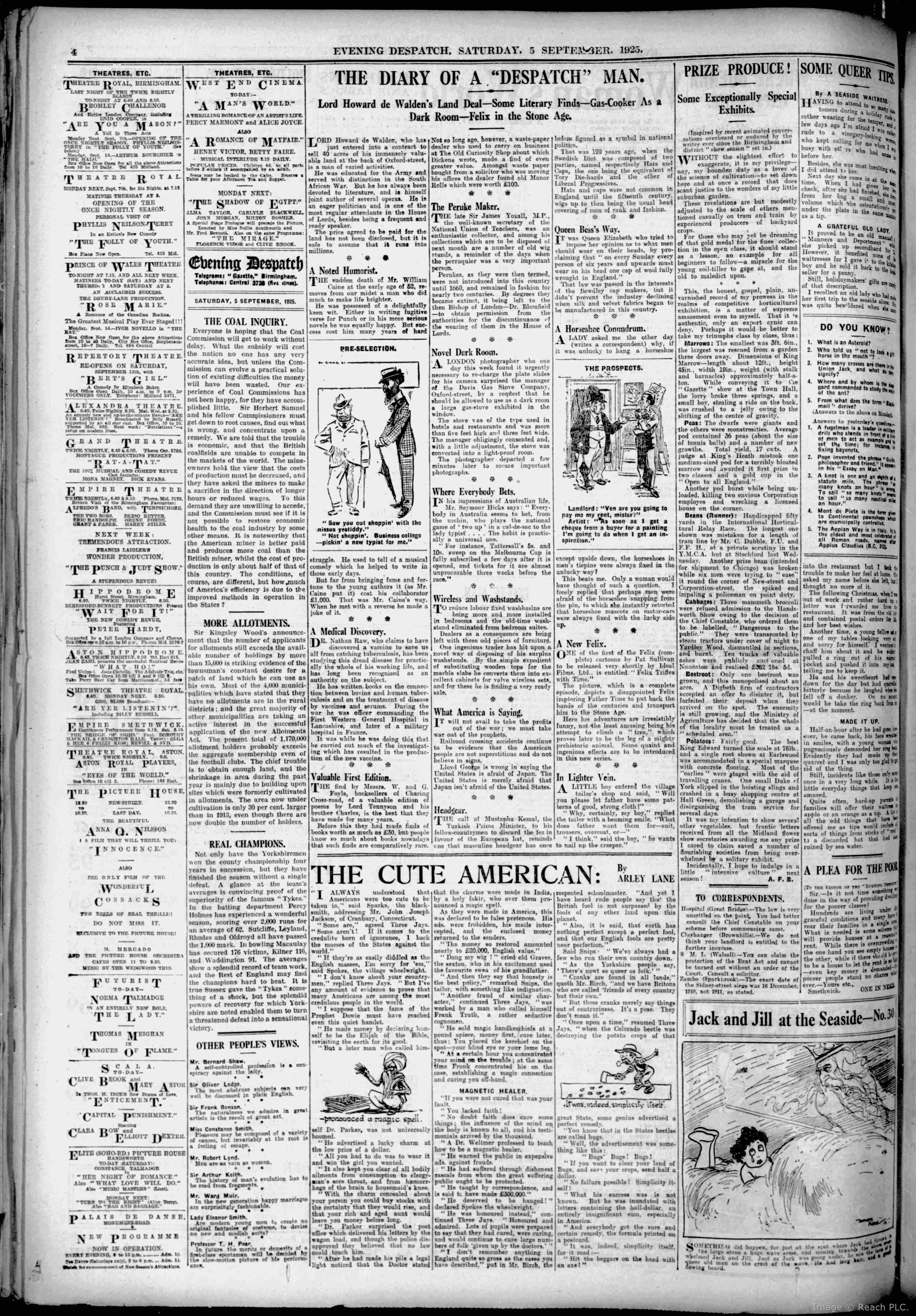
Evening Despatch (Birmingham), Saturday, September 5, 1925, p. 4, “The Diary of a ‘Despatch’ Man; A Noted Humorist.”
The sudden death of Mr. William Caine at the early age of 52, removes from our midst a man who did much to make life brighter.
He was possessed of a delightfully keen wit. Either in writing fugitive verse for Punch or in his more serious novels he was equally happy. But success cost him many years of hard struggle. He used to tell of a musical comedy which he helped to write in those early days.
But far from bringing fame and fortune to the young authors it (as Mr. Caine put it) cost his collaborator £1,000. That was Mr. Caine’s way. When he met with a reverse he made a joke out of it.
Evening News (Hull), Saturday, September 5, 1925, p. 3, “In London To-Day; A Noted Humourist.”
The sudden death of Mr William Caine at the early age of fifty-two removes from our midst a man who did much to make life brighter. He was possessed of a delightfully keen wit. Either in writing fugitive verse for Punch or in his more serious novels he was equally happy. But success cost him nay years of hard struggle. He used to tell of a musical comedy which he helped to write in those early days. But far from bringing fame and fortune to the young authors, it (as Mr Caine put it) cost his collaborator £1,000. That was Mr Caine’s way. When he met with a reverse he made a joke of it. Born at Liverpool, he was the sone of Mr Sproston Caine, and, after an education at Westminster, St Andrew’s University, and Oxford, he was called to the Bar, and followed the law as a profession for seven years.
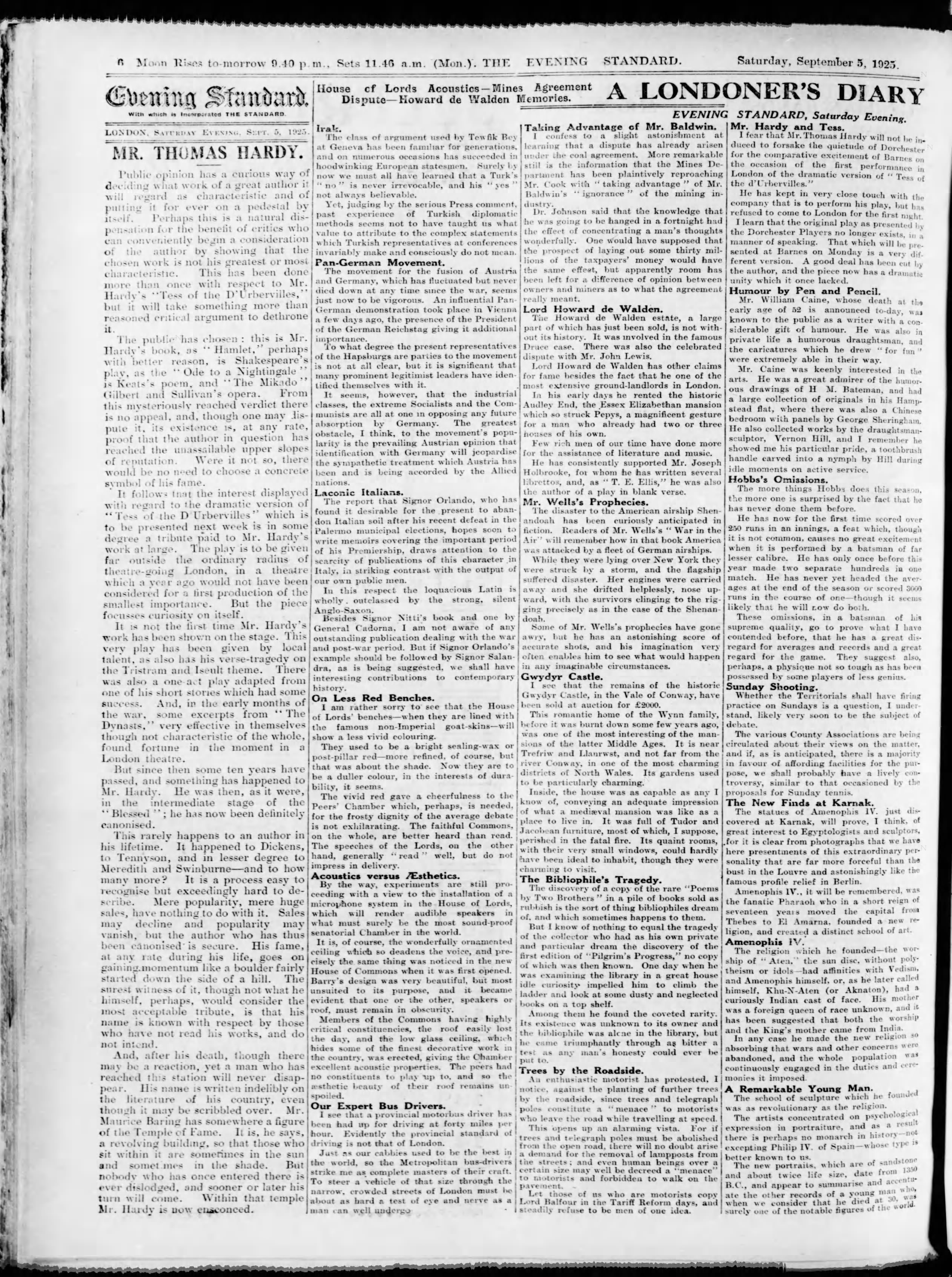
The Evening Standard (London), Saturday, September 5, 1925, p. 6, “A Londoner’s Diary; Humour by Pen and Pencil.”
Mr. William Caine, whose death at the early age of 52 is announced to-day, was known to the public as a writer with a considerable gift of humour. He was also in private life a humorous draughtsman, and the caricatures which he drew “for fun” were extremely able in their way.
Mr. Caine was keenly interested in the arts. He was a great admirer of the humorous drawings of H. M. Bateman, and had a large collection of originals in his Hamstead flat, where there was also a Chinese bedroom with panels by George Sheringham. He also collected works by the draughtsman-sculptor, Vernon Hill, and I remember he showed me his particular pride, a toothbrush handle carved into a nymph by Hill during idle moments on active service.
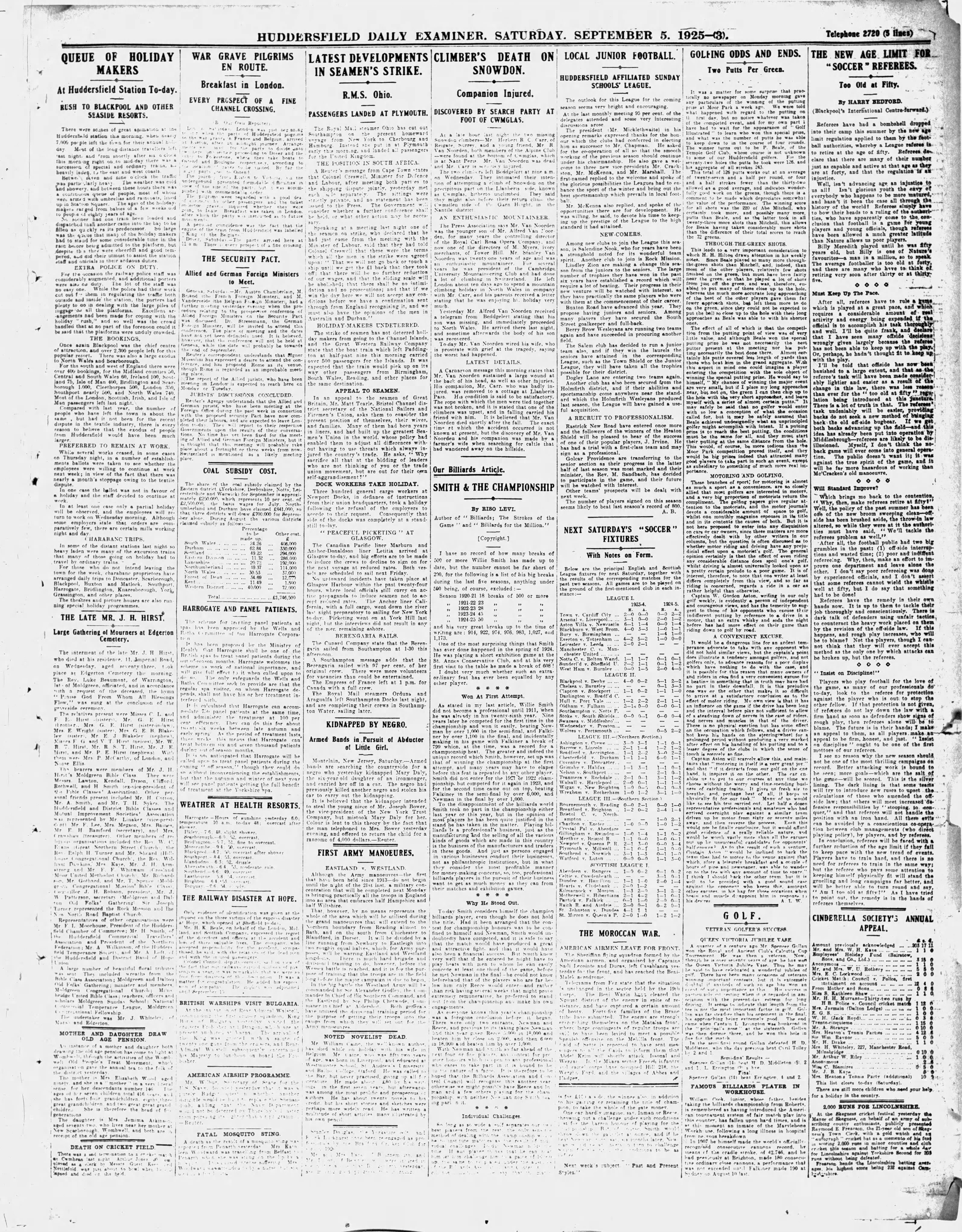
Huddersfield Daily Examiner, Saturday, September 5, 1925, p. 3, “Noted Novelist Dead.”
Mr. William Caine, the well known author, has died while on holiday with his wife in Belgium. Mr. Caine, who was fifty-two years of age, was born in Liverpool, and educated at Westminster School, St. Andrew’s University, and Balliol College, Oxford. He was called to the Bar, but never practised, giving up all for literature. He made about £80 by his writings in the first seven years, but afterwards was among the most prolific and prosperous of authors. He has about twenty novels to his credit, but his short stories and sketches were perhaps more widely read. He has written a multitude of short articles, many illustrated by his own pencil.
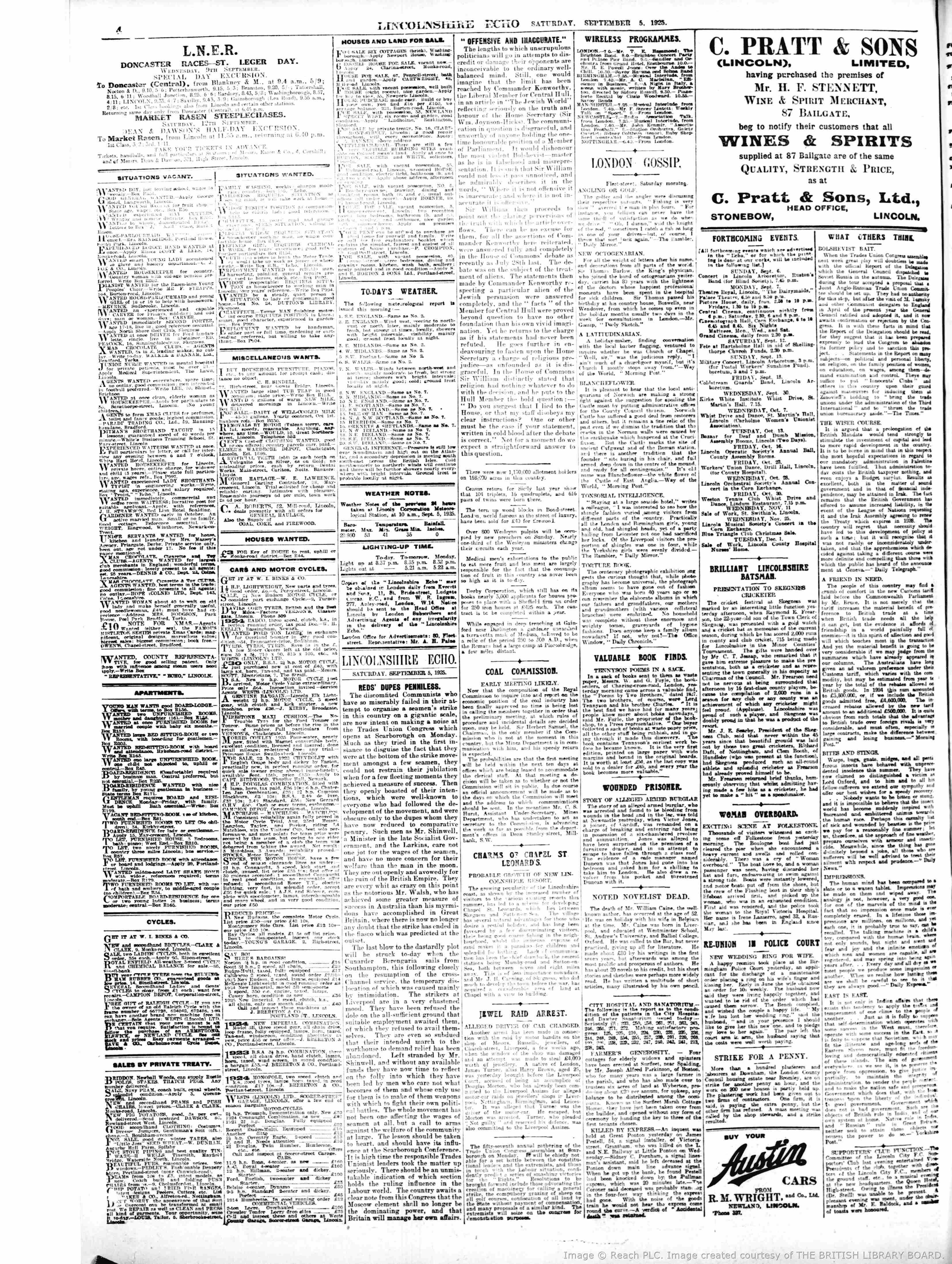
Lincolshire Echo (London), Saturday, September 5, 1925, p. 4, “London Gossip; Noted Novelist Dead.”
The death of Mr. William Caine, the well-known author, has occurred at the age of 52. He was on holiday with his wife in Belgium at the time. Mr. Caine was born in Liverpool, and educated at Westminster School, St. Andrew’s University, and Balliol College, Oxford. He was called to the Bar, but never practised, giving up all for literature. He made about £80 by his writings in the first seven years, but afterwards was among the most prolific and prosperous of authors. He has about 20 novels to his credit, but his short stories and sketches were perhaps more widely read. He has written a multitude of short articles, many illustrated by his own pencil.
Liverpool Post and Mercury, Saturday, September 5, 1925, p. 11, “Death of a Novelist; Mr. William Caine, a Native of liverpool.”
Mr. William Caine, the author of “Boom” and other popular, humorous novels, has died suddenly at Weaduyne, Belgium. Mr. Caine was the son of the late Mr. W. S. Caine, M.P., the temperance reformer, and his mother was the daughter of the late Rev. Hugh Stowell Brown. He was born in Liverpool in 1872. After leaving Oxford he was called to the Bar, but after seven years he abandoned the legal profession and took to story writing. His books, which were generally humorous, had a wide popularity; and his contributions to the magazines always had a touch of charming lightness. Latterly he had been living at Hampstead.
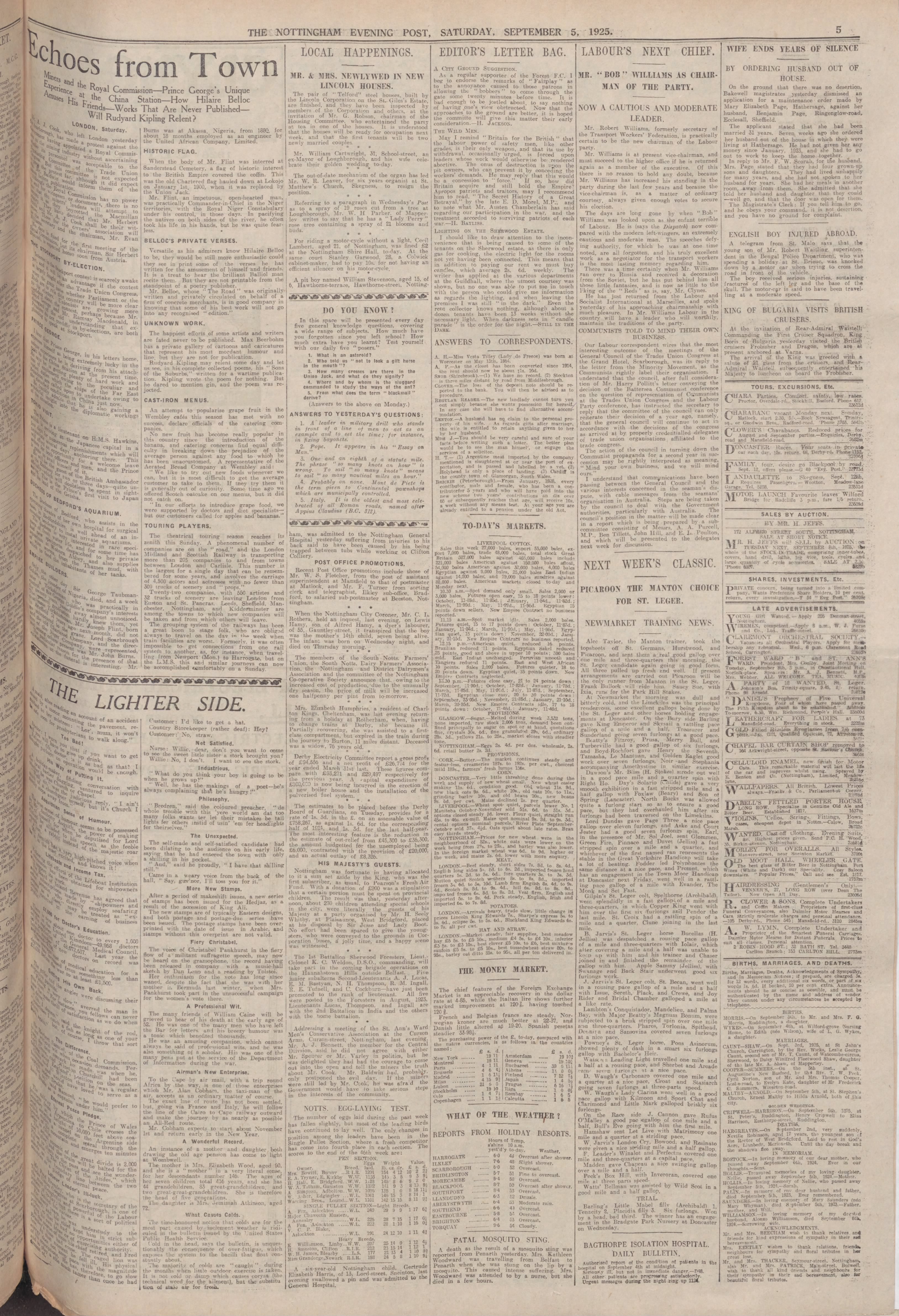
The Nottingham Evening Post, Saturday, September 5, 1925, p. 5, “The Lighter Side; A Professional Wit.”
The many friends of William Caine will be grieved to hear of his death at the early age of 52. He was one of the many men who have left the Bar for letters, and his breezy humour was a tonic which benefited thousands.
He was an amusing companion, which cannot always be said of professional wits, and he was also something of a scholar. His was one of the many pens put at the service of the Department of Information during the war.
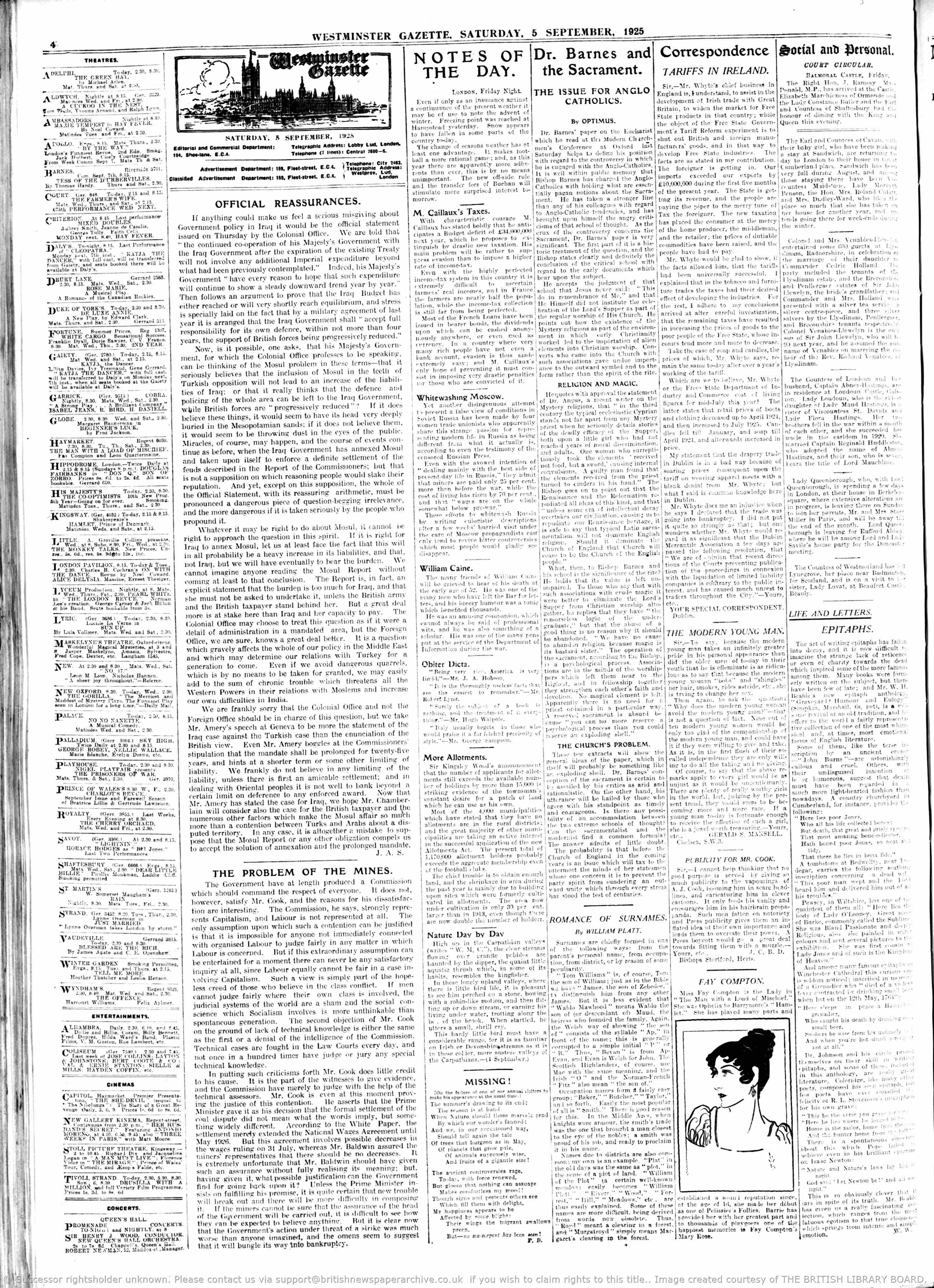
Westminster Gazette (London), Saturday, September 5, 1925, p. 4, “Notes of the Day; William Caine.”
The many friends of William Caine will be grieved to hear of his death at the early age of 52. He was one of the many men who have left the Bar for letters, and his breezy humour was a tonic which benefited thousands.
He was an amusing companion, which cannot always be said of professional wits, and he was also something of a scholar. His was one of the many pens put at the service of the Department of Information during the war.
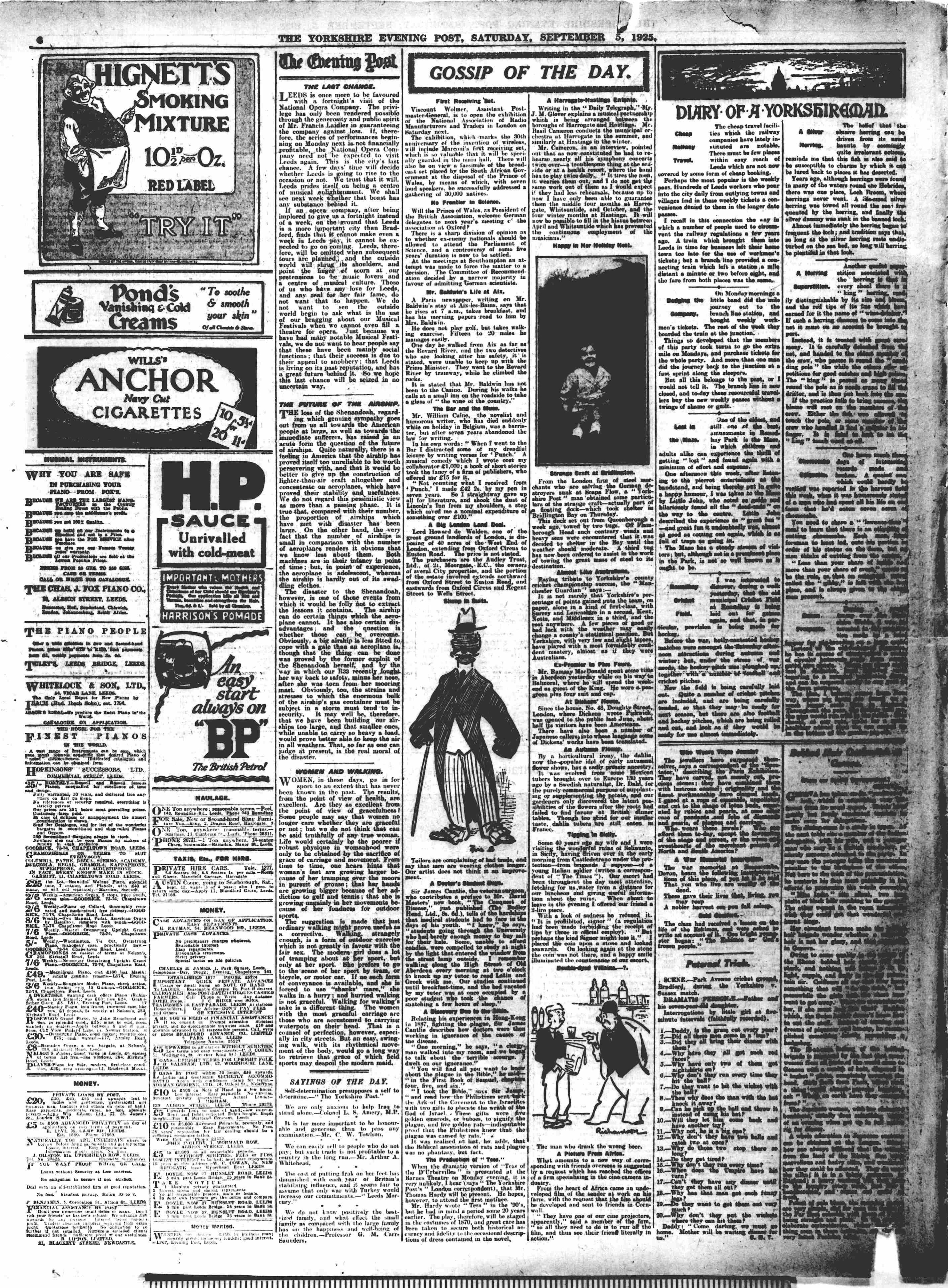
The Yorkshire Evening Post (Leeds), Saturday, September 5, 1925, p. 6, “Gossip of the Day; The Bar and the Muse.”
Mr. William Caine, the novelist and humorous writer, who has died suddenly while on holiday in Belgium, was a barrister, but after seven years abandoned the law for writing.
In his own words: “When I went to the Bar I distracted some of my dreadful leisure by writing verses for ‘Punch.’ A musical comedy which I wrote cost my collaborator £1,000; a book of short stories took the fancy of a firm of publishers, who offered me £15 for it.
“Not counting what I received from ‘Punch,’ I made £42 2s by my pen in seven years. So I straightway gave up all for literature, and shook the dust of Lincoln’s Inn from my shoulders, a step which saved me a nominal expenditure of something over £100.”
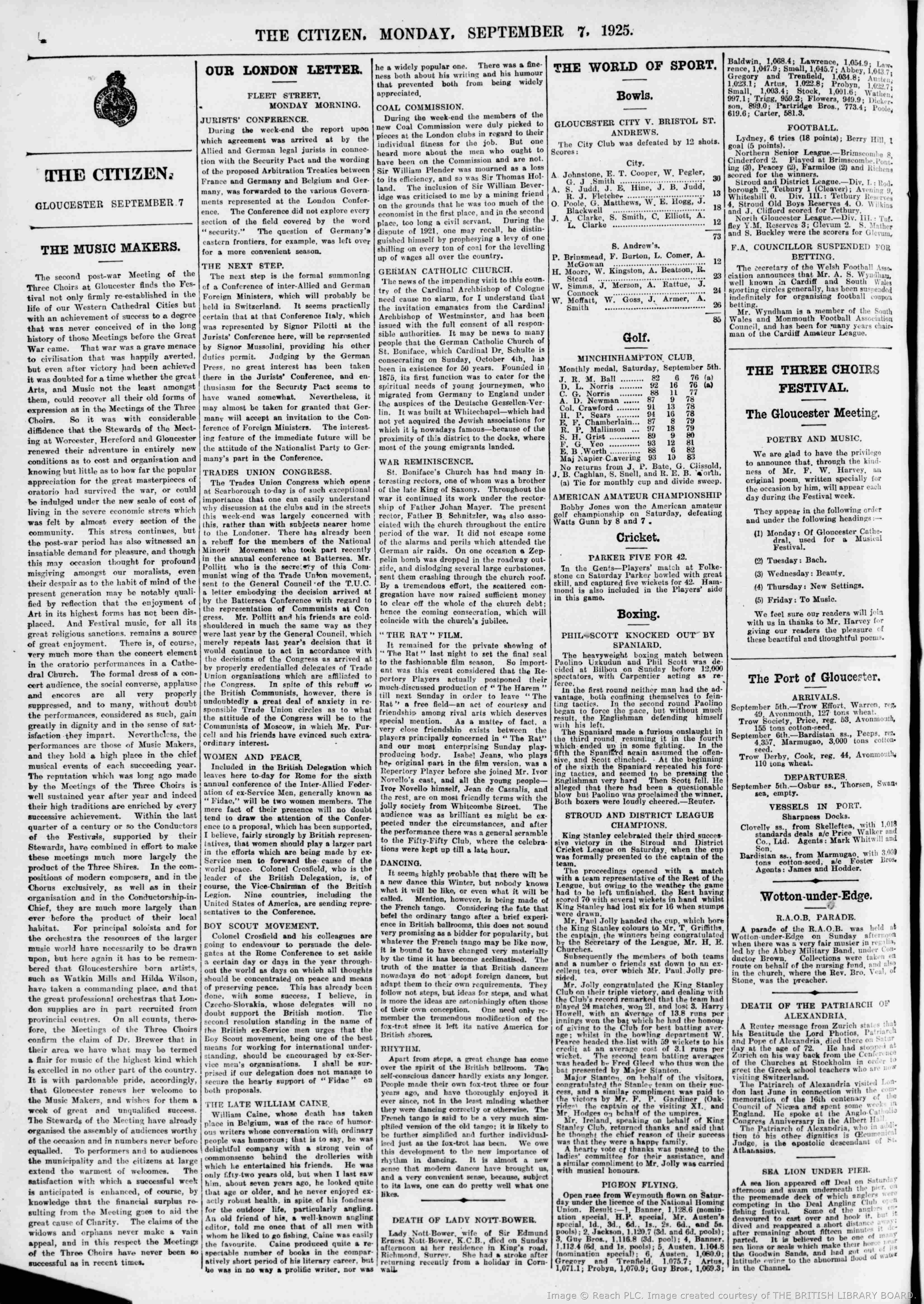
The Citizen (Gloucester), Monday, September 7, 1925, p. 4, “Our London Letter; The Late William Caine.”
William Caine, whose death has taken place in Belgium, was of the race of humorous writers whose conversation with ordinary people was humorous; that is to say, he was delightful company with a strong vein of commonsense behind the drolleries with which he entertained his friends. He was only fifty-two years old, but when I last saw him, about seven years ago, he looked quite that age or older, and he never enjoyed exactly robust health, in spite of his fondness for the outdoor life, particularly angling. An old friend of his, a well-known angling editor, told me once that of all men with whom he liked to go fishing, Caine was easily the favourite. Caine produced quite a respectable number of books in the comparatively short period of his literary career, but he was in no way a prolific writer, nor was he a widely popular one. There was a fineness both about his writing and his humour that prevented both from being widely appreciated.
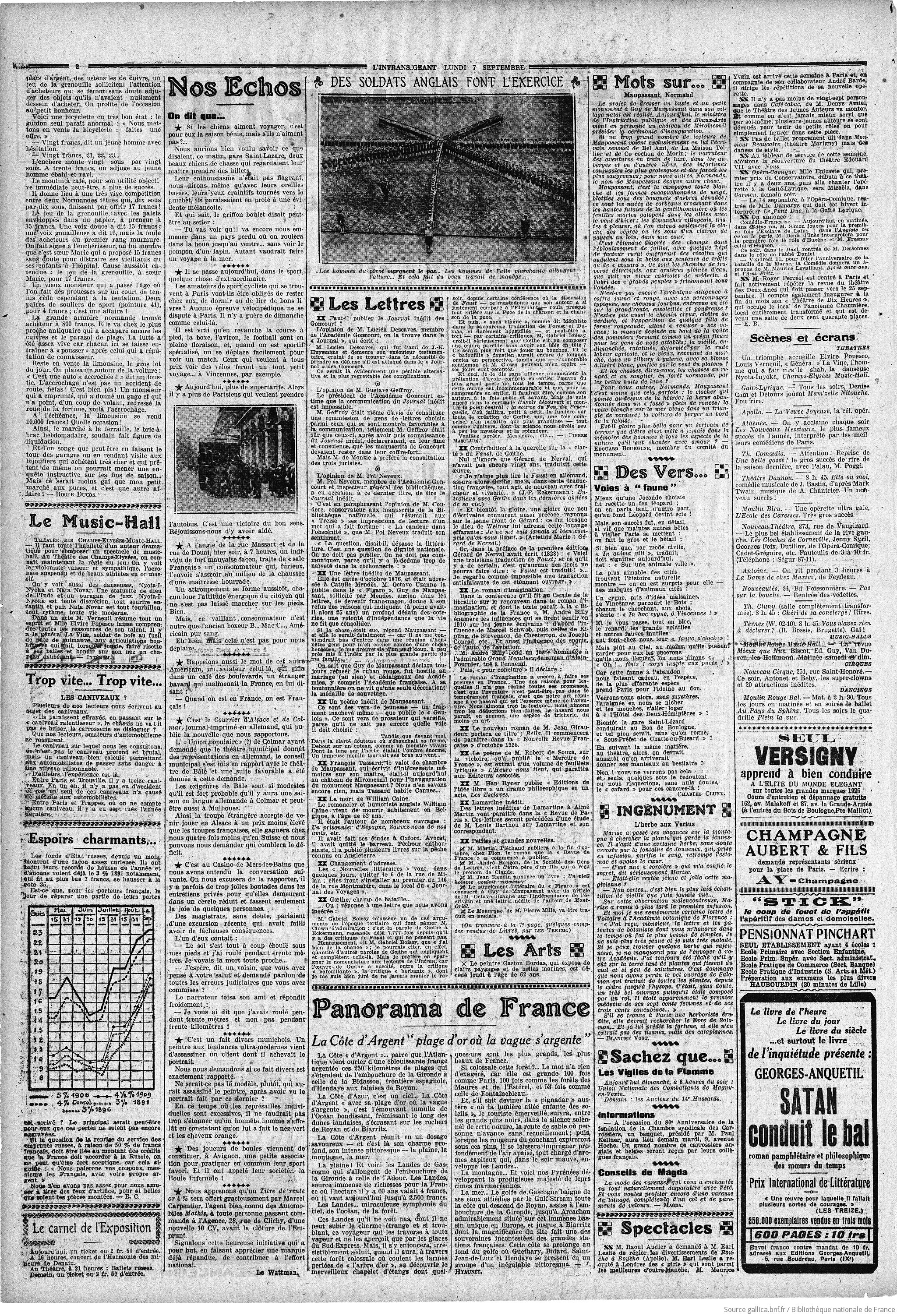
L’Intransigeant, lundi, 7 septembre 1925, p. 2, “Les Lettres; La mort de William Caine.”
Le romancier et humoriste anglais William Caine vient de mourir subitement en Belgique, à l’âge de 52 ans.
Il était l’auteur de nombreux ouvrages: Un prisonnier de’Espagne, Sauvez-nous de nos amis, etc.
Il avait fait ses études à Oxford. Avocat, il avait quitté le barreau. Pêcheur enthousiaste, il a publié plusieurs livres sur la pêche connus en Angleterre.
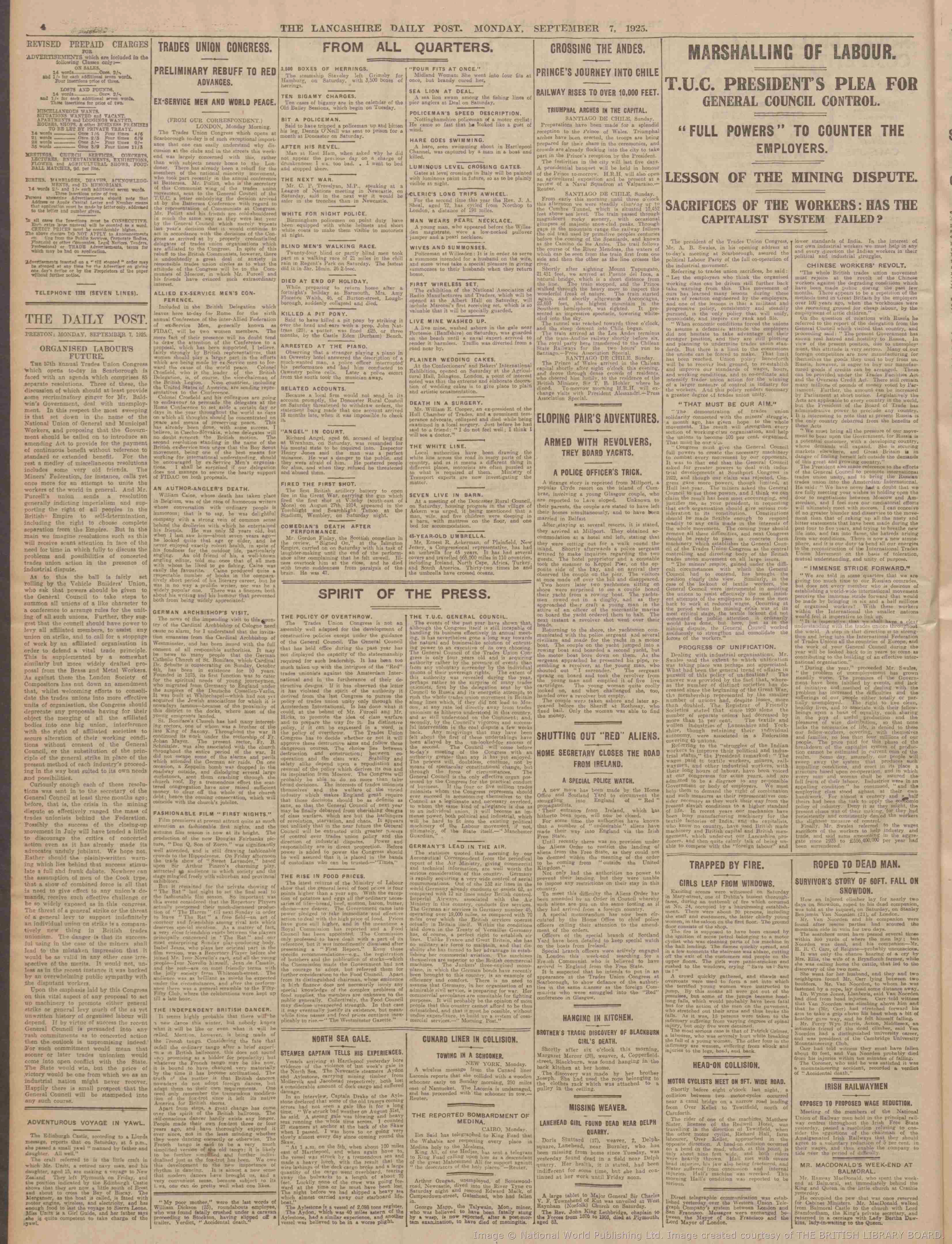
The Lancashire Daily Post (Preston), Monday, September 7, 1925, p. 4, “An Author-Angler’s Death.”
William Caine, whose death has taken place in Belgium, was of the race of humorous writers whose conversation with ordinary people is humorous; that is to say, he was delightful company with a strong vein of common sense behind the drolleries with which he entertained his friends. He was only 52 years old, but when I last saw him — about seven years ago — he looked quite that age or older, and he never enjoyed exactly robust health, in spite of his fondness for the outdoor life, particularly angling. An old friend of his, a well-known angling editor, told me once that of all men with whom he liked to go fishing, Caine was easily the favourite. Caine produced quite a respectable number of books in the comparatively short period of his literary career, but he was in no way a prolific writer, nor was he a widely popular one. There was a fineness both about his writing and his humour that prevented both from being widely appreciated.
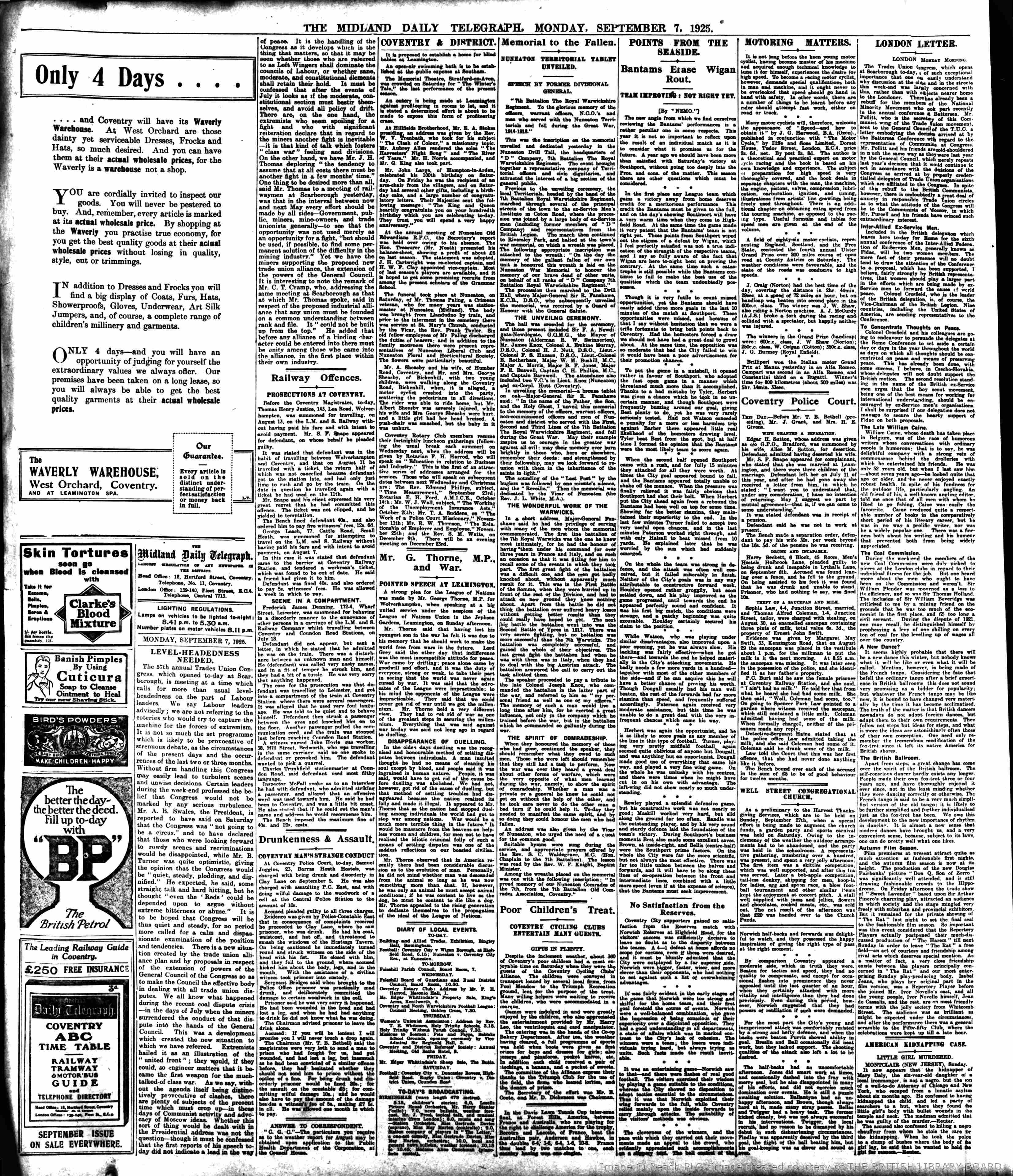
The Midland Daily Telegraph (Coventry), Monday, September 7, 1925, p. 2, “London Letter; The Late William Caine.”
William Caine, whose death has taken place in Belgium, was of the race of humorous writers whose conversation with ordinary people is humorous; that is to say, he was delightful company with a strong vein of commonsense behind the drolleries with which he entertained his friends. He was only 52 years old, but when I last saw him — about seven years ago — he looked quite that age or older, and he never enjoyed exactly robust health, in spite of his fondness for the outdoor life, particularly angling. An old friend of his, a well-known angling editor, told me once that of all men with whom he liked to go fishing, Caine was easily the favourite. Caine produced quite a respectable number of books in the comparatively short period of his literary career, but he was in no way a prolific writer, nor was he a widely popular one. There was a fineness both about his writing and his humour that prevented both from being widely appreciated.
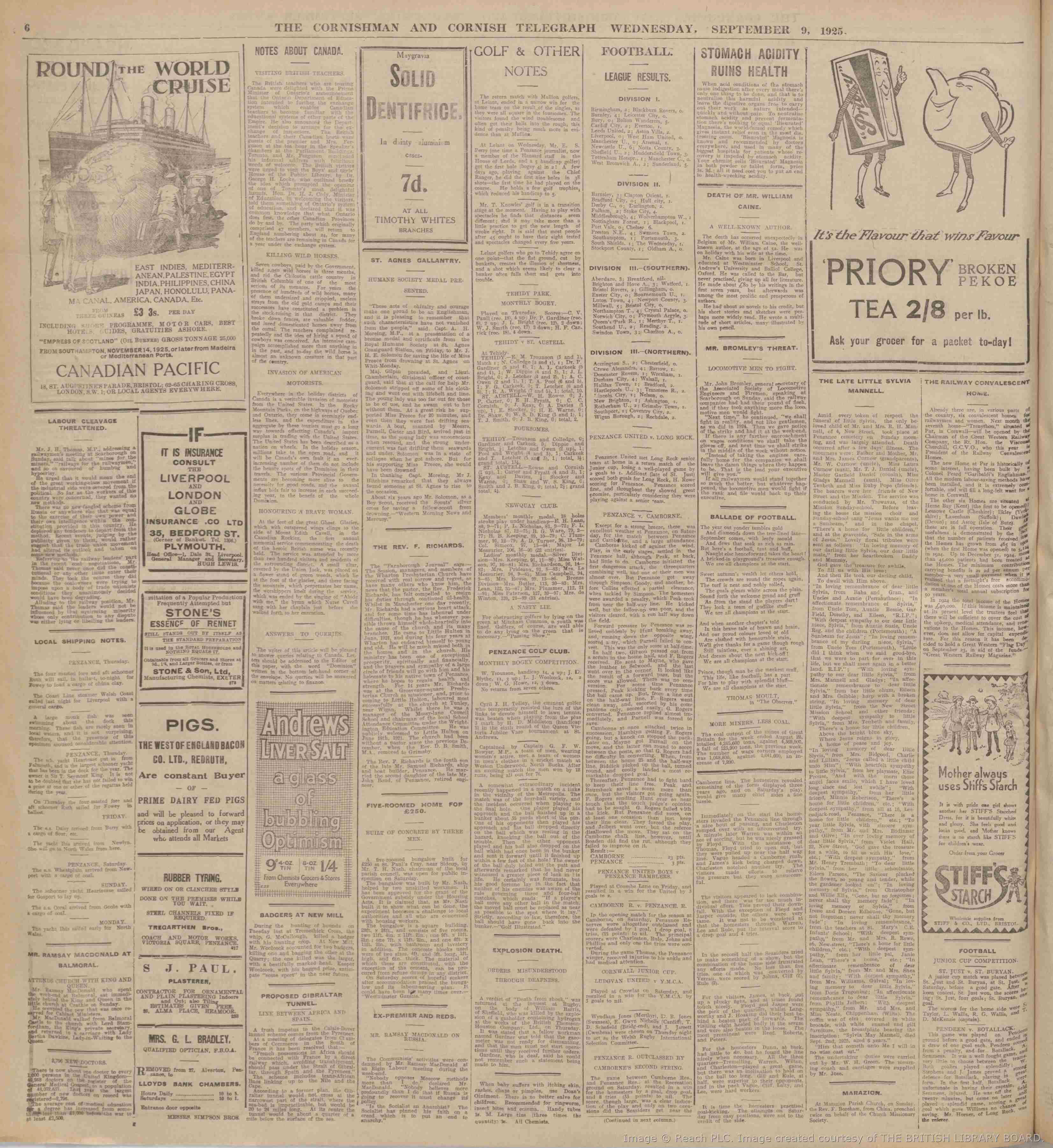
The Cornishman and Cornish Telegraph (Penzance), Wednesday, September 9, 1925, p. 6, “Death of Mr. William Caine; A Well-Known Author.”
The death has occurred unexpectedly in Belgium of Mr. William Caine, the well-known author, at the age of 52. He was on holiday with his wife at the time.
Mr. Caine was born in Liverpool and educated at Westminster School, St. Andrew’s University and Balliol College, Oxford. He was called to the Bar, but never practised, giving up all for literature. He made about £80 by his writings in the first seven years, but afterwards was among the most prolific and prosperous of authors.
He had about 20 novels to his credit, but his short stories and sketches were perhaps more widely read. He wrote a multitude of short articles, many illustrated by his own pencil.
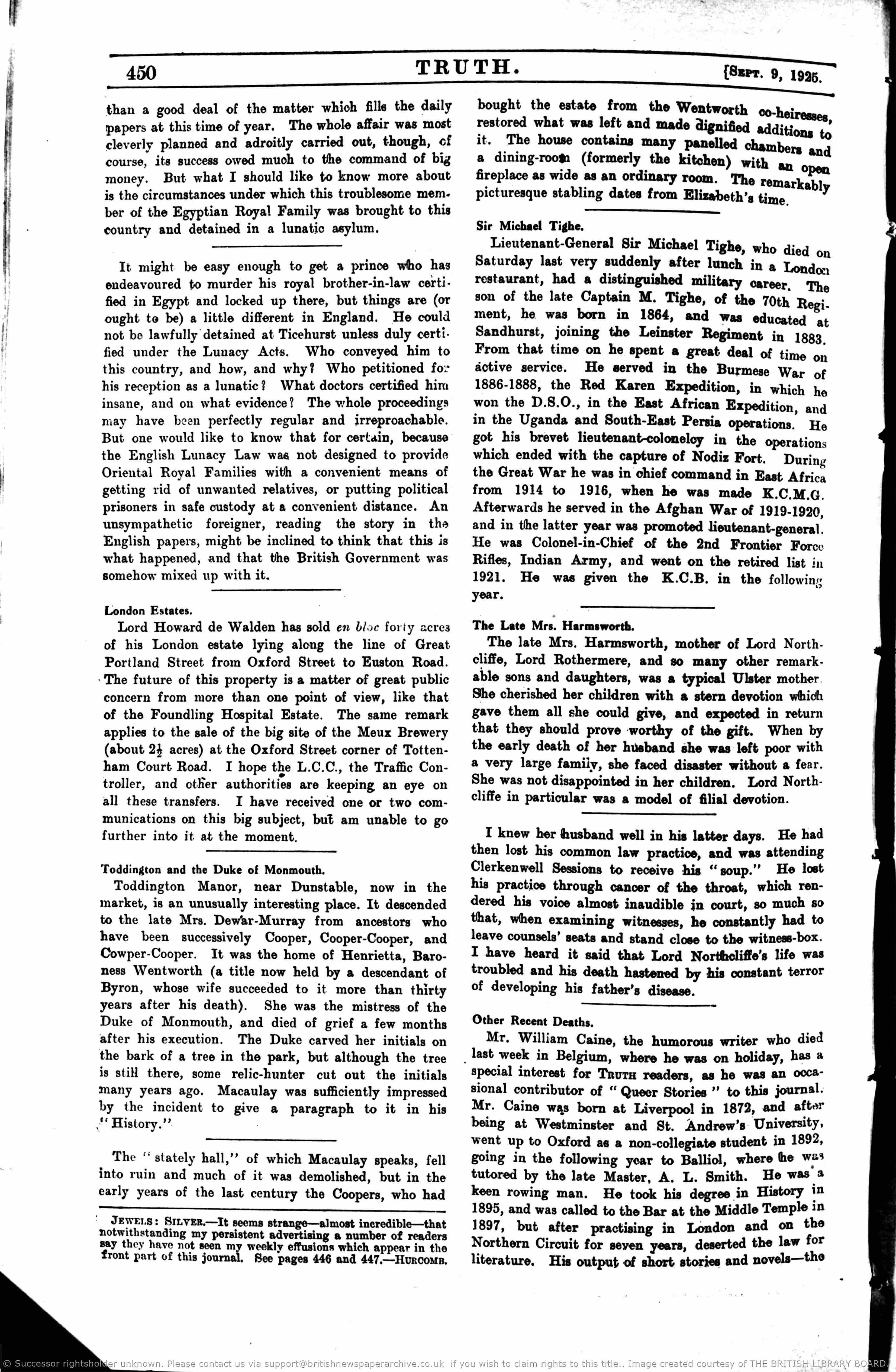
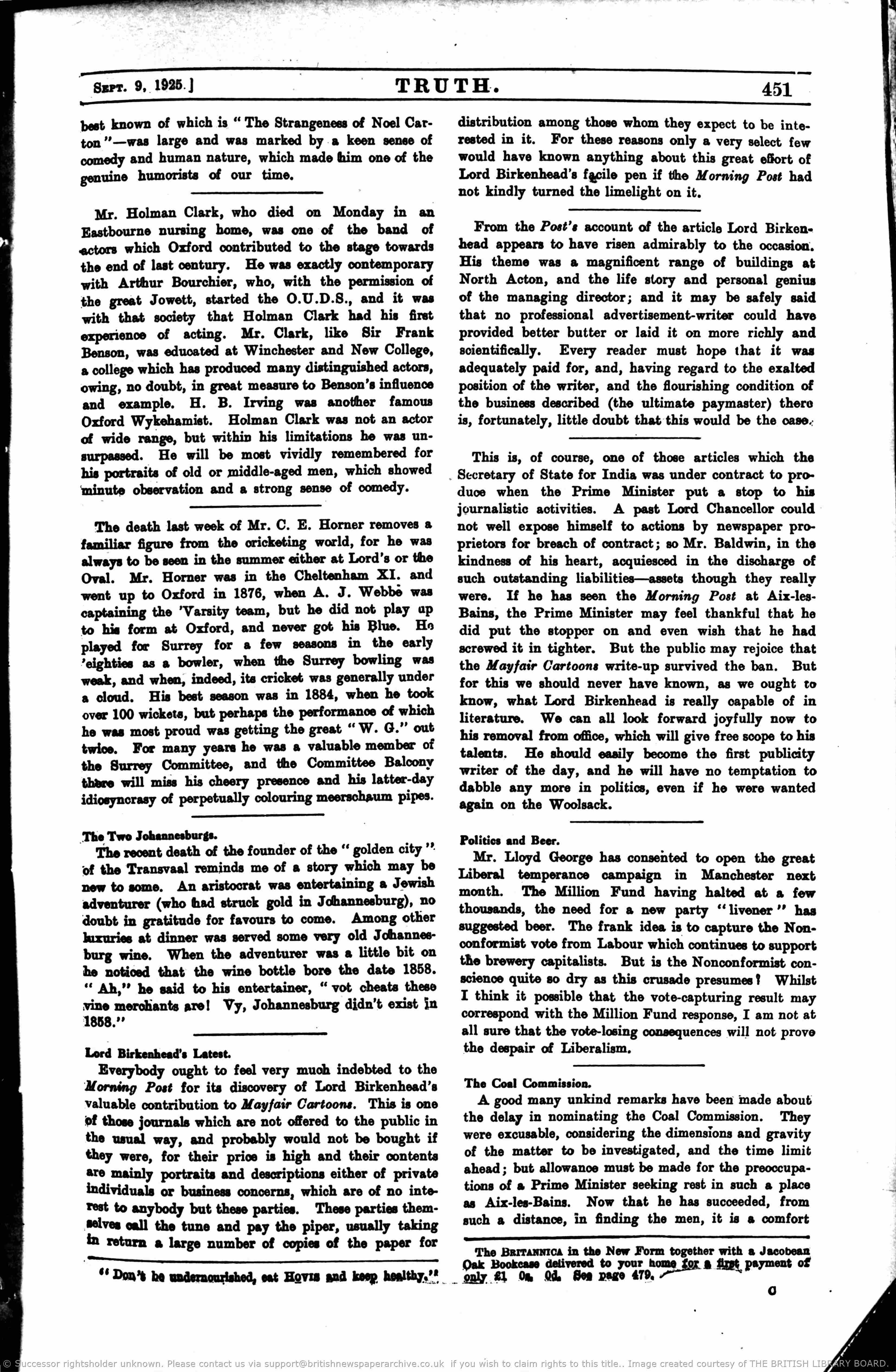
Truth, September 9, 1925, pp. 450–451, “Entre Nous; Other Recent Deaths.”
Mr. William Caine, the humorous writer who died last week in Belgium, where he was on holiday, has a special interest for Truth readers, as he was an occasional contributor of “Queer Stories” to this journal. Mr. Caine was born at Liverpool in 1872, and after being at Westminster and St. Andrew’s University, went up to Oxford as a non-collegiate student in 1892, going in the following year to Balliol, where he was tutored by the late Master, A. L. Smith. He was a keen rowing man. He took his degree in History in 1895, and was called to the Bar at the Middle Temple in 1897, but after practising in London and on the Northern Circuit for seven years, deserted the law for literature. His output of short stories and novels — the best known of which is “The Strangeness of Noel Carton” — was large and was marked by a keen sense of comedy and human nature, which made him one of the genuine humorists of our time.
Southampton Times and Hampshire Express, September 12, 1925, p. 2.
Mr. William Caine, the humorous writer, who has died in Belgium, made touring experiences in the New Forest the theme of one of his books.
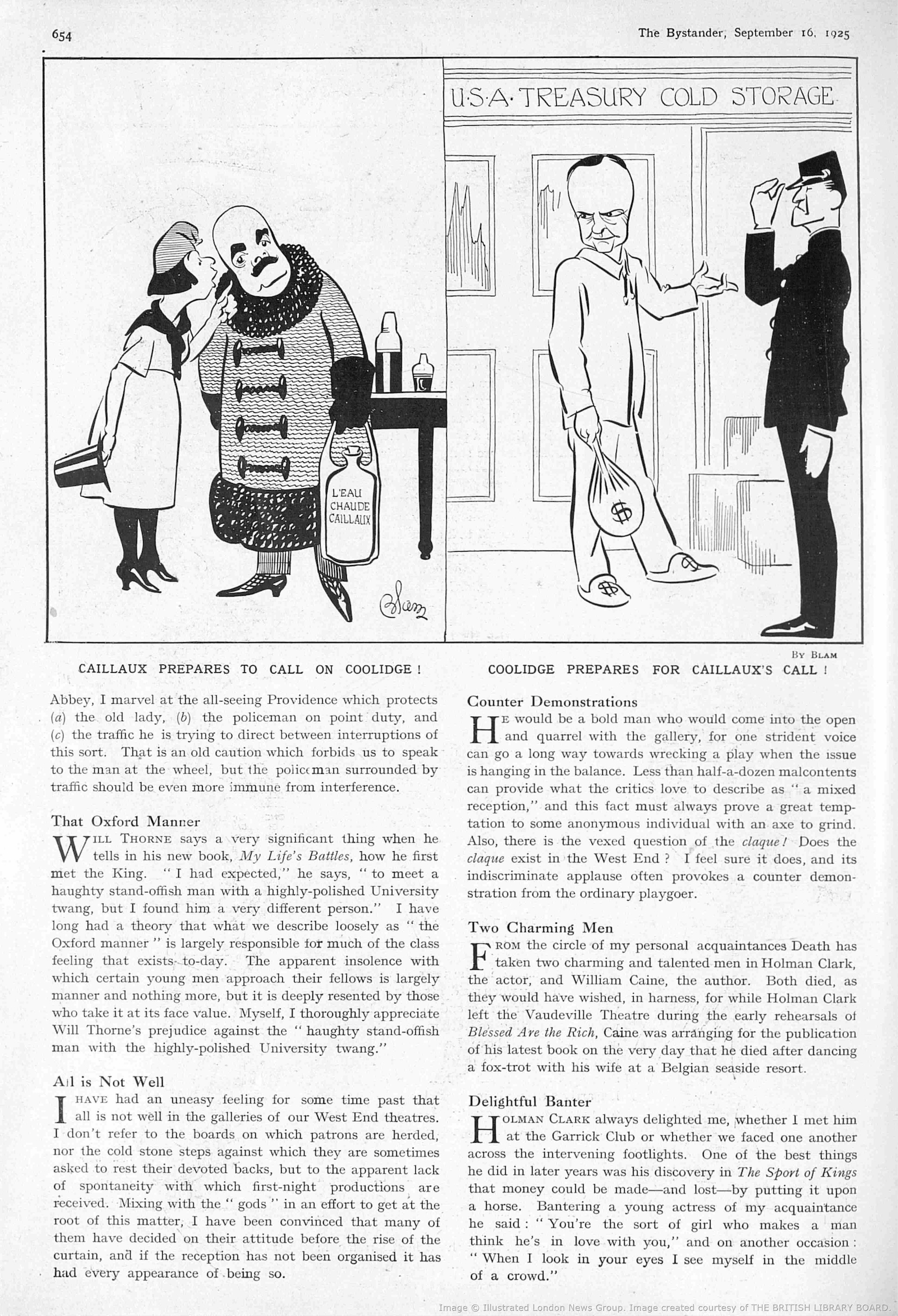
The Bystander (London), September 16, 1925, p. 654, “Bystander Comments; Two Charming Men.”
From the circle of my personal acquaintances Death has taken two charming and talented men in Holman Clark, the actor, and William Caine, the author. Both died, as they would have wished, in harness, for while Holman Clark left the Vaudeville Theatre during the early rehearsals of Blessed Are the Rich, Caine was arranging for the publication of his latest book on the very day that he died after dancing a fox-trot with his wife at a Belgian seaside resort.
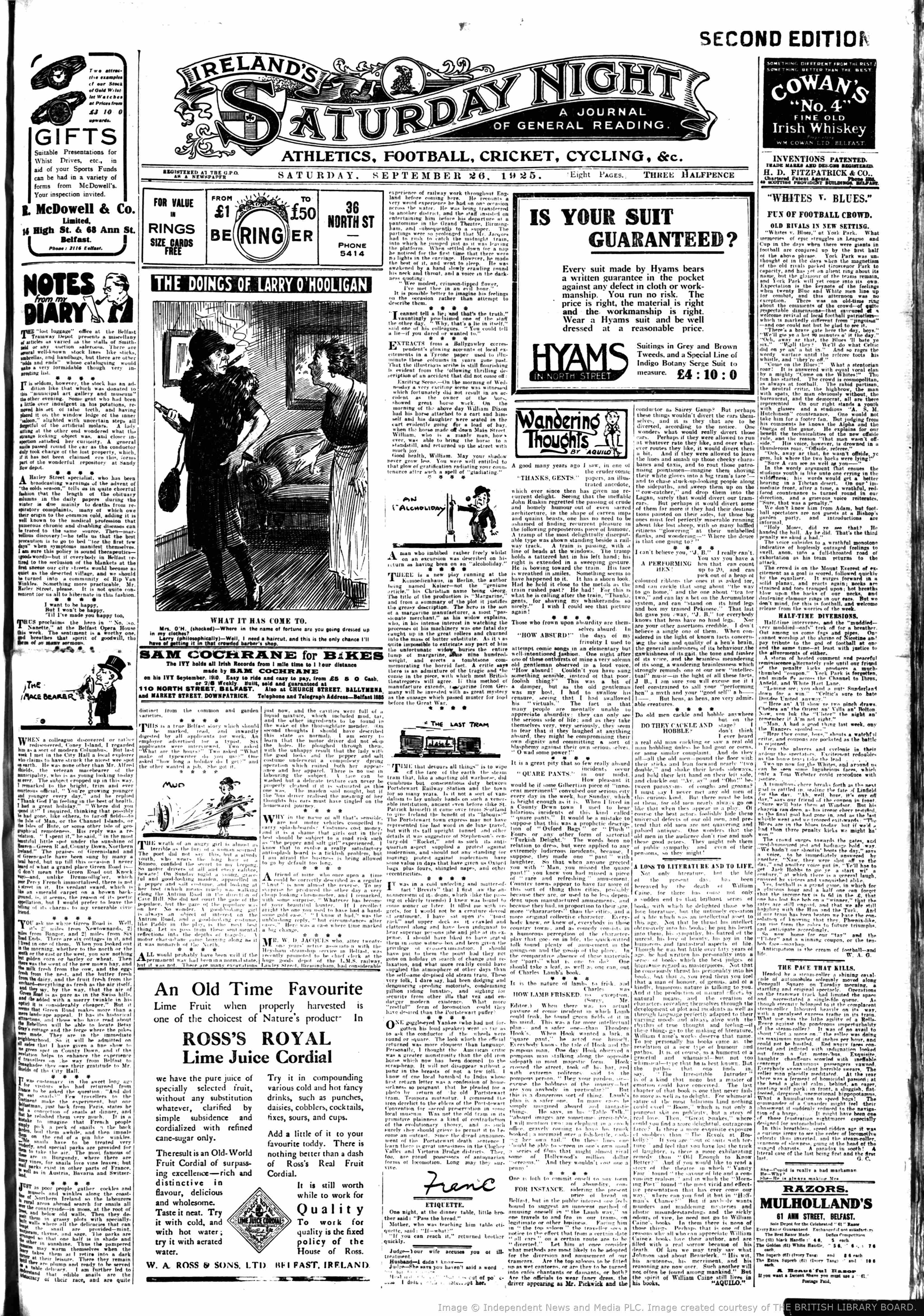
Ireland’s Saturday Night (Belfast), Saturday, September 26, 1925, p. 1, “Wandering Thoughts by ‘Aquilo’; A Loss to Literature and to Life.”
Not only literature, but the life of the present day, has been bereaved by the death of William Caine, for there has come not only a sudden end to that brilliant series of books with which he delighted those who love literature, but the untimely cessation of a life which was an intellectual asset to this age. Not that he thrust his intellect obtrusively into his books; he put his heart into them, his sympathy, his hatred of the unreal, his love of beauty, his joy in the humorous and fantastical aspects of life. Though he was but little over fifty years of age, he had written his personality into a series of books which the best judges of literature regard as masterpieces. Not that he consciously thrust his personality into his books, but that as you read them you feel that a man of honour, of genius, of a kindly, humorous nature is talking to you. And if the production of natural effects by natural means, and the creation of characters revealing themselves through the development of plot and incidents as well as through language perfectly adapted to their varying moods and always alive with the rhythm of true thought and feeling — if these things go to the making of literature, William Caine’s works deserve that name. To me personally his books came as the revelation of a new type of humour and pathos. It is, of course, as a humorist of a graceful and whimsical — but not too whimsical — type that he is best known. But the pathos that one finds in, say, “The Irresistible Intruder” is of a kind that none but a master of emotion could have conceived. The last chapter of that book is one that never fails to move as well as delight. For whimsical satire of the most hilarious kind nothing could excel “Boom,” which is not only a pungent skit on publicity, but a story of real love. Then, “Great Snakes,” where could you find a more delightful, outrageous farce? Is there a more exquisite exposure of snobbery than “The Revolt at Roskelly’s?” If you are “out of suits with fortune,” and feel that you have lost the trick of laughter, is there a more exhilarating remedy than “Old Enough to Know Better?” And if you would like to read a story of the theatre in which “Vanity Fair” found “the savour of life and a convincing realism,” and in which the “Morning Post” found “the most vivid and effective presentation that has come our way,” where can you find it but in “Hoffman’s Chance?” But if anybody wants murders and maddening mysteries and idiotic misunderstandings and the sickly odours of vice, he need not go to William Caine’s books. In them there is none of those things. Perhaps that is one of the reasons why all who can appreciate William Caine’s books love their author, and are filled with real sorrow because of his death. Of him we may truly say what Johnson said about Beauclerk. “His wit, his acuteness, his merriment, and his reasoning are now over. Such another will not often be found among mankind.” But the spirit of William Caine still lives in his books.
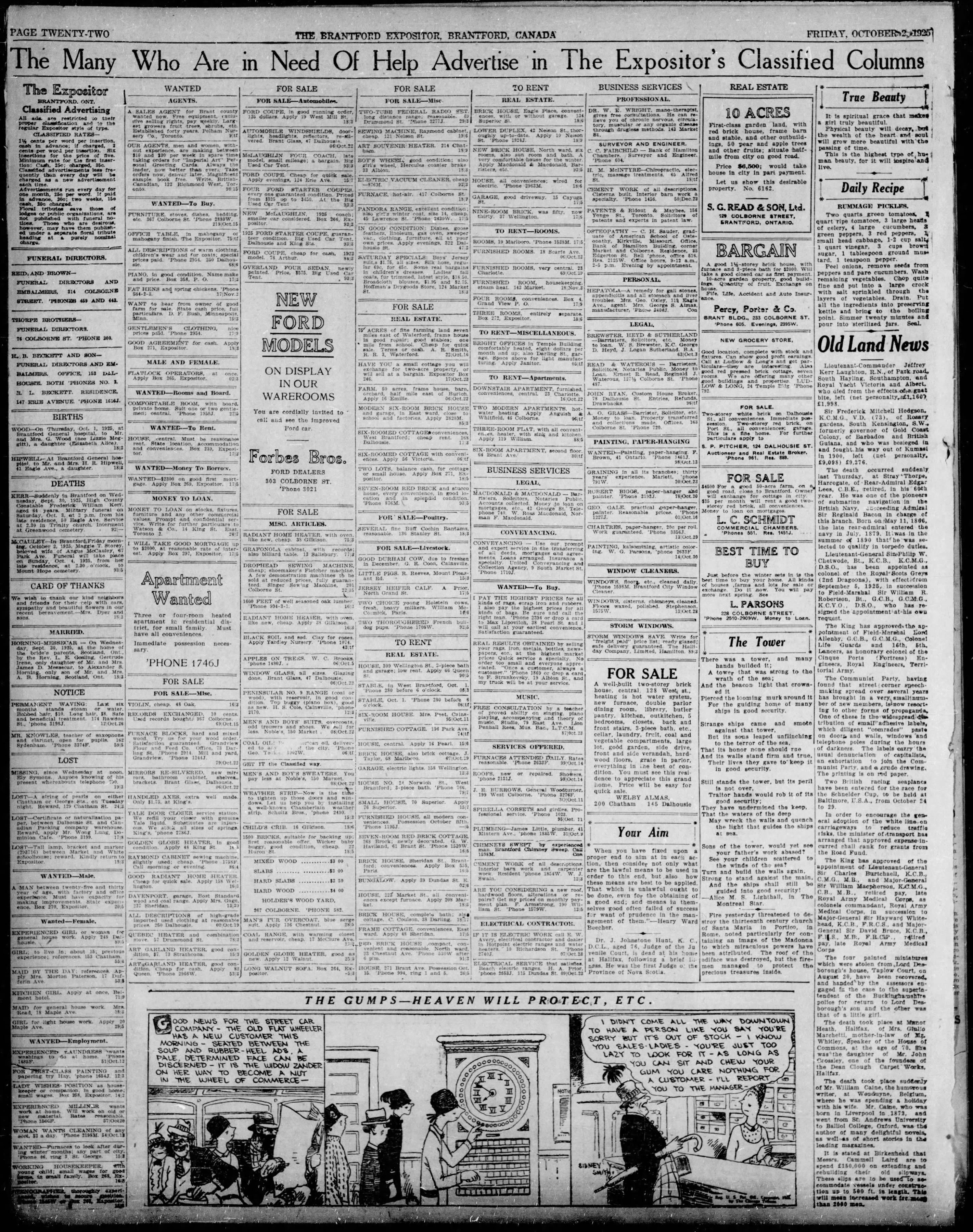
The Brantford Expositor (Brantford, Canada), Friday, October 2, 1925, p. 22, “Old Land News.”
The death took place suddenly of Mr. William Caine, the humorous writer, at Wenduyne, Belgium, where he was spending a holiday with his wife. Mr. Caine, who was born in Liverpool in 1872, and went from St. Andrews University to Balliol College, Oxford, was the author of many delightful novels, as well as of short stories in the leading magazines.
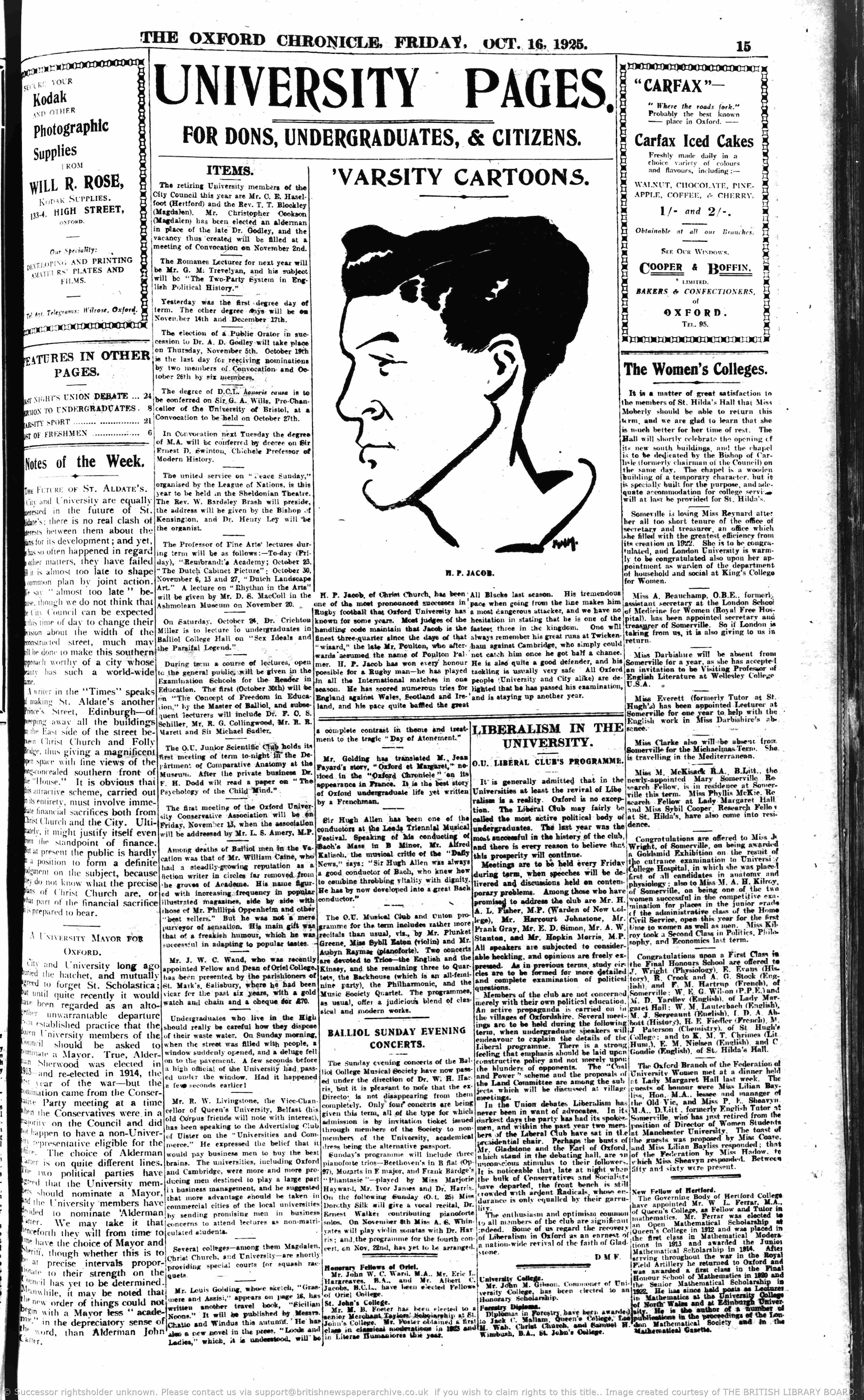
The Oxford Chronicle, Friday, October 16, 1925, p. 15, “University Pages; For Dons, Undergraduates, & Citizens; Items.”
Among the deaths of Balliol men in the Vacation was that of Mr. William Caine, who had a steadily-growing reputation as a fiction writer in circles far removed from the groves of Academe. His name figured with increasing frequency in popular illustrated magazines, side by side with those of Mr. Phillips Oppenheim and other “best sellers.” But he was not a mere purveyor of sensation. His main gift was that of a freakish humour, which he was successful in adapting to popular tastes.
The Evening Star (Dunedin, New Zealand), Saturday, October 17, 1925, p. 25, “Books and Bookmen; A Literary Corner; Mr William Caine; Novelist’s Death While on Holiday.”
Mr William Caine, the well-known novelist and humorous writer, died last month suddenly while on holiday in Belgium. Mr Caine, who was fifty-two years of age, was educated at Westminster School and St. Andrews University, afterwards going to Balliol, Oxford. He was called to the Bar, but after seven years abandoned the law for writing.
In his own words: “When I went to the Bar I distracted some of my dreadful leisure by writing verses for ‘Punch.’ A musical comedy which I wrote cost my collaborator £1,000; a book of short stories took the fancy of a firm of publishers, who offered me £15 for it.
“Not counting what I received from ‘Punch,’ I made £42 2s by my pen in seven years. So I straightway gave up all for literature, and shook the dust of Lincoln’s Inn from my shoulders, a step which saved me a nominal expenditure of something over £100.”
Among the most popular of his works were ‘A Prisoner of Spain,’ ‘Save Us From Our Friends,’ ‘Bildad the Quill-driver,’ ‘Great Snakes,’ ‘The Strangeness of Noel Carton,’ ‘The Author of Trixie,’ ‘Lady Sheba’s Last Stunt,’ and that delightful novel, ‘Mendozat a Little Lady.’
He was an enthusiastic angler, and published a book of fishing stories entitled ‘An Angler at Large.’ He was also well known as a caricaturist.
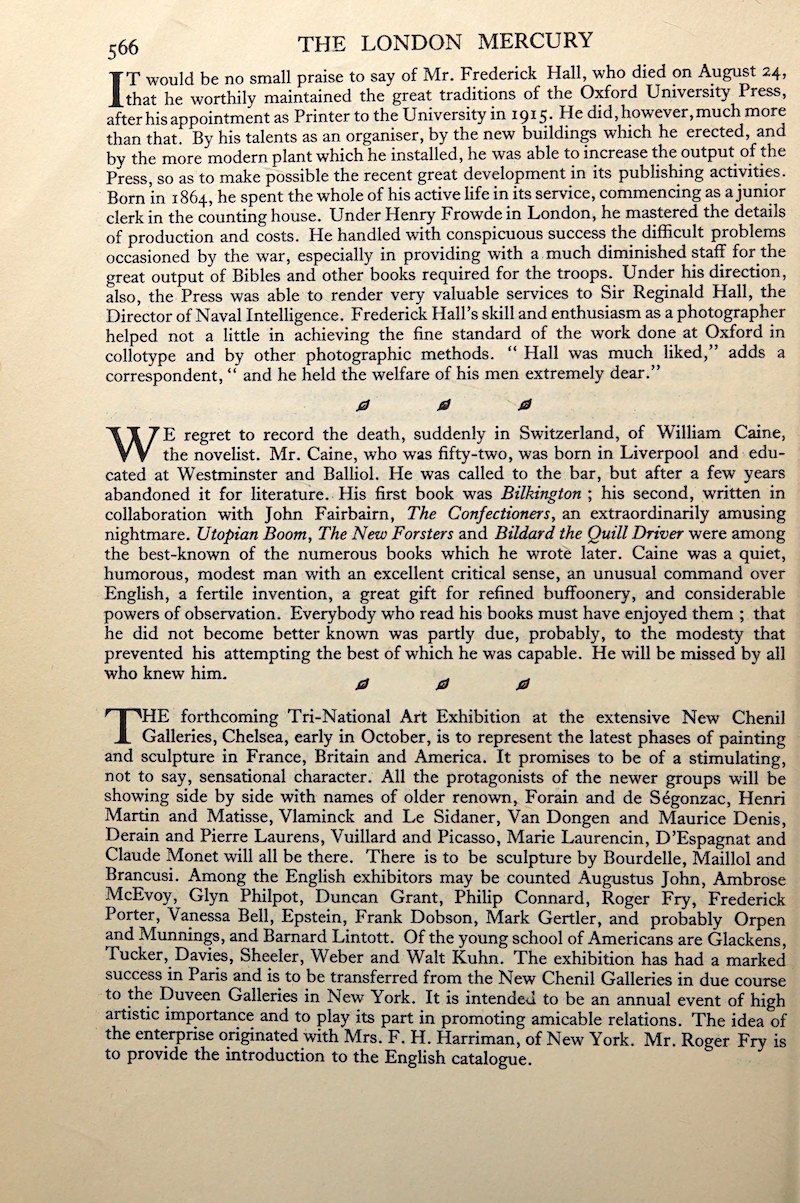
The London Mercury, vol. XII, no. 72, October 1925, p. 566.
We regret to record the death, suddenly in Switzerland, of William Caine, the novelist. Mr. Caine, who was fifty-two, was born in Liverpool and educated at Westminster and Balliol. He was called to the bar, but after a few years abandoned it for literature. His first book was Bilkington; his second, written in collaboration with John Fairbairn, The Confectioners, an extraordinarily amusing nightmare. Utopian Boom, The New Forsters and Bildard the Quill Driver were among the best-known of the numerous books which he wrote later. Caine was a quiet, humorous, modest man with an excellent critical sense, an unusual command over English, a fertile invention, a great gift for refined buffoonery, and considerable powers of observation. Everybody who read his books must have enjoyed them; that he did not become better known was partly due, probably, to the modesty that prevented his attempting the best of which he was capable. He will be missed by all who knew him.
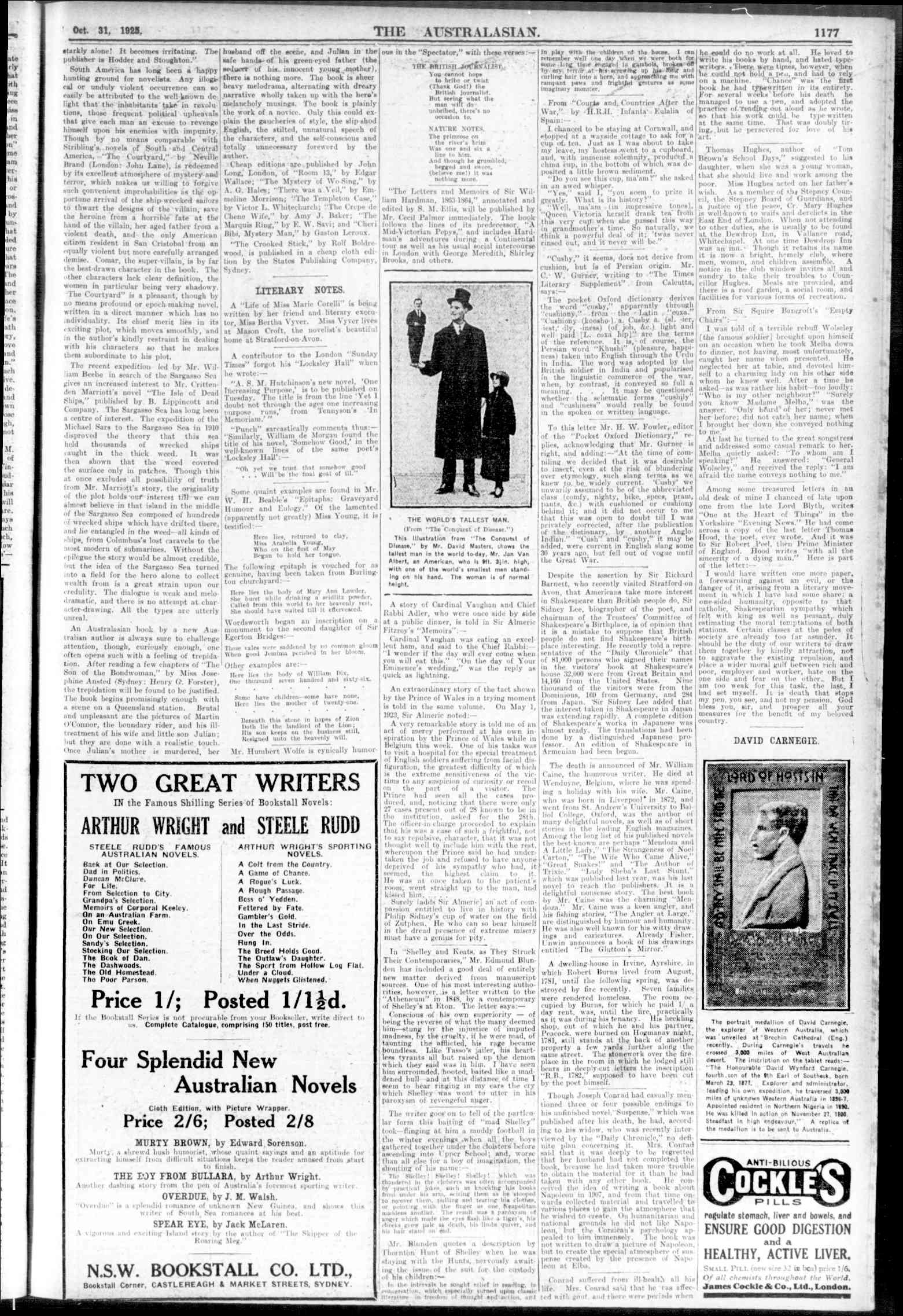
The Australasian (Melbourne, Australia), October 31, 1925, p. 1177, “Literary Notes.”
The death is announced of Mr. William Caine, the humorous writer. He died at Wenduyne, Belgium, where he was spending a holiday with his wife. Mr. Caine, who was born in Liverpool in 1872, and went from St. Andrew’s University to Balliol College, Oxford, was the author of many delightful novels, as well as of short stories in the leading English magazines. Among the long list of his published novels the best-known are perhaps “Mendoza and A Little Lady,” “The Strangeness of Noel Carton,” “The Wife Who Came Alive,” “Great Snakes!” and “The Author of Trixie.” “Lady Sheba’s Last Stunt,” which was published last year, was his last novel to reach the publishers. It is a delightful nonsense story. The best book by Mr. Caine was the charming “Mendoza.” Mr. Caine was a keen angler, and his fishing stories, “The Angler at Large,” are distinguished by humour and humanity. He was also well known for his witty drawings and caricatures. Already Fisher, Unwin announces a book of his drawings entitled “The Glutton’s Mirror.”
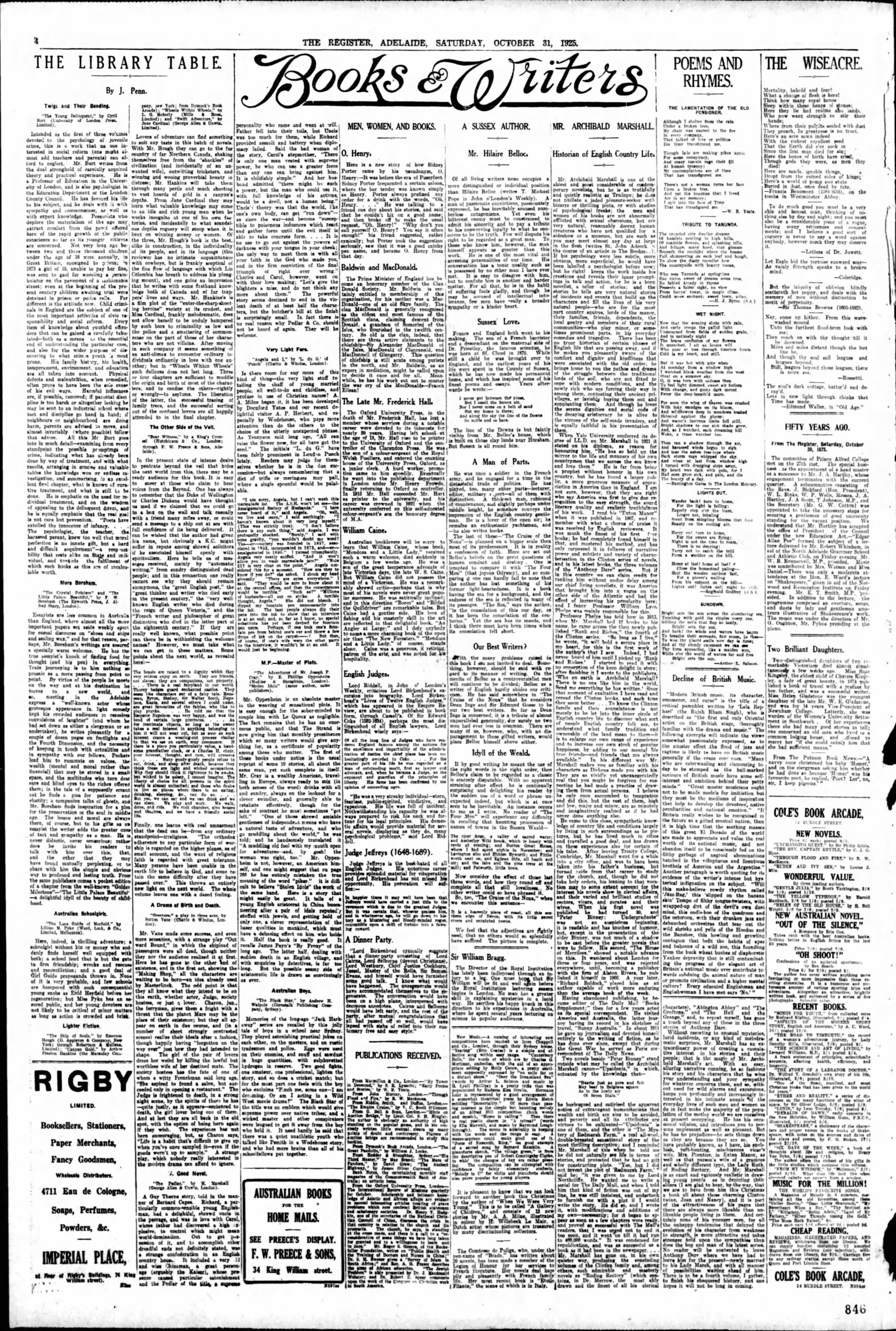
The Register (Adelaide, Australia), October 31, 1925, p. 4, “Books & Writers; Men, Women, and Books; William Caine.”
Australian booklovers will be sorry to learn that William Caine, whose book, “Mendoza and a Little Lady,” received such a warm welcome, died suddenly in Belgium a few weeks ago. He was a son of the great temperance advocate of late Victorian days, the late W. S. Caine. But William Caine did not possess the mind of a Victorian. He was a remarkably shrewd critic — perhaps that is why most of his novels were never great popular successes. He was satirically inclined; and in this direction “Boom” and “Bildad the Quilldriver” are remarkable tales. But Caine had a gentler side. His love of fishing and his masterly skill in the art are reflected in that delightful book, “An Angler at Large;” and I defy anybody to name a more charming book of the open air than “The New Foresters.” “Mendoza and a Little Lady,” of course, stands alone. Caine was a generous, if retiring, patron of the arts, and was noted for his hospitality.
The Sun (Kalgoorlie, Western Australia), Sunday, November 8, 1925, p. 4, “Personagraphs; Peeps at People.”
The death is announced of Mr. William Caine, the humorous writer. He died at Wenduyne, Belgium, where he was spending a holiday with his wife. Mr. Caine, who was born in Liverpool, in 1872, and went from St. Andrew’s University to Balliol College, Oxford, was the author of many delightful novels, as well as of short stories in the leading English magazines. Among the long list of his published novels, the best known are perhaps “Mendoza and a Little Lady,” “The Strangeness of Noel Carton,” “The Wife Who Came Alive,” “Great Snakes” and “The Author of Trixie.” “Lady Sheba’s Last Stunt,” which was published last year, was his last novel to reach the publishers. It is a delightful nonsense story. The best book by Mr. Caine was the charming ‘Mendoza.’ Mr. Caine was a keen angler, and his fishing stories “The Angler at Large,” are distinguished by humour and humanity. He was also well known for his witty drawings and caricatures.
Editions MSS
11 cour du Coq : Paris | Owlstain : Château Methuen